Start Here
The Journey
I have been fascinated by glaciers since I was a teenager, and over my lifetime I have watched many Alpine glaciers retreat, and some disappear. For thirty years I taught chemical engineering and published more than a hundred research papers. In the last ten years, students increasingly came to me with a deep desire to do something for the climate. I realized that science had given us data but no direction. I didn’t have an answer for them, or for myself. So, when I turned 60, I went looking for one in the only way that made sense to me: I wanted to see tidewater glaciers before they disappeared, or before I did.
I bought a 53-foot expedition sailboat and sailed more than 9,000 miles from New Zealand, through the Marshall Islands and the Aleutians, to the glaciers of Alaska. Beginning with the choice of a route almost nobody sails, getting there required decisions I could not delegate, with consequences I could not fully anticipate. When I finally reached the ice, I saw the glaciers I had come to see. But seeing turned out to be elusive. Each glacier was different: some were dying slowly of old age, others were holding steady, and some were falling apart. Seeing these glaciers was no box I could check. It fueled a desire to know them better. Before I had even turned south, I was planning how to return.
Ice Frontiers is the story of that voyage, which began as a high-latitude sailing expedition and gradually became an exploration of uncertainty, responsibility, and commitment. This site is an attempt to share what I am learning about committing to a vision of a future worth living when neither the cost nor the outcome can be known. I left with a familiar narrative about climate change: a problem to solve to save a threatened world. Witnessing the collapse of Columbia Glacier made that story hard to sustain. I came to believe that one fight has already been lost. There is no credible scenario in which the ice remains where it is today, let alone returns to where it was when I first fell in love with it. In the Alps, that loss had led me to grief. Alaska offered something different. The sheer scale of its glaciers showed me how much is still left to lose, and that turned mourning into care. I stopped waiting for a solution that would restore the ice of my youth and committed to a different fight: a future that preserves some ice, somewhere, without any assurance that it will come. I cannot imagine a livable world without ice.
That posture was not new to me. It is familiar to anyone who has committed to something without knowing how it would end. I did not get married budgeting for a divorce, and I did not start a company by planning for bankruptcy. I committed because I cared about what I was trying to build, accepting costs I could not predict and responsibility for outcomes I could not control. I came to see my responsibility for the climate in the same way. Uncertainty about what my efforts will cost or whether they will succeed does not have to be an argument for inertia. If I care about the future climate, I can take responsibility for it the same way I take responsibility for the other things that gave my life meaning: not because I know what will happen, but because I have decided what I want to preserve.
Pointers
If you are curious about the questions
Some questions have followed me throughout this journey: what makes something worth pursuing, what responsibility means when outcomes are uncertain, and how we live with choices whose consequences we cannot know.
 Jean Peccoud


If you are curious about the sailing
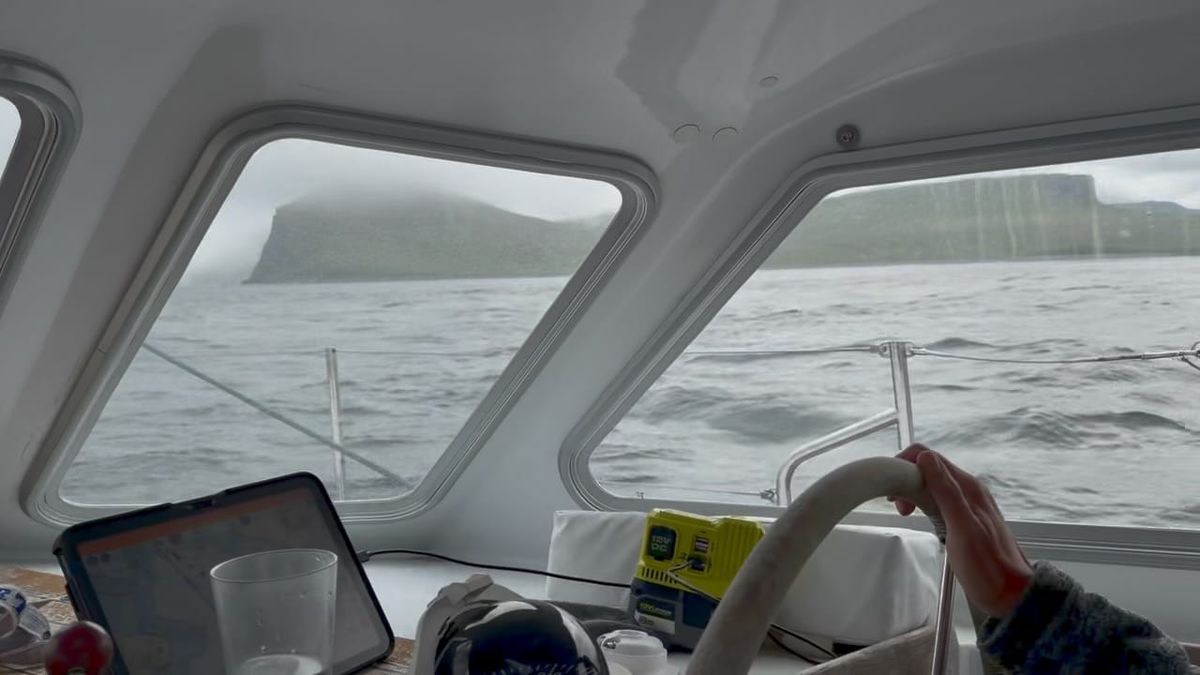
There is plenty of sailing here too: buying and owning an expedition boat, preparing for long passages, dealing with failures, and sailing through unusual parts of the world.
 Jean Peccoud
 Jean Peccoud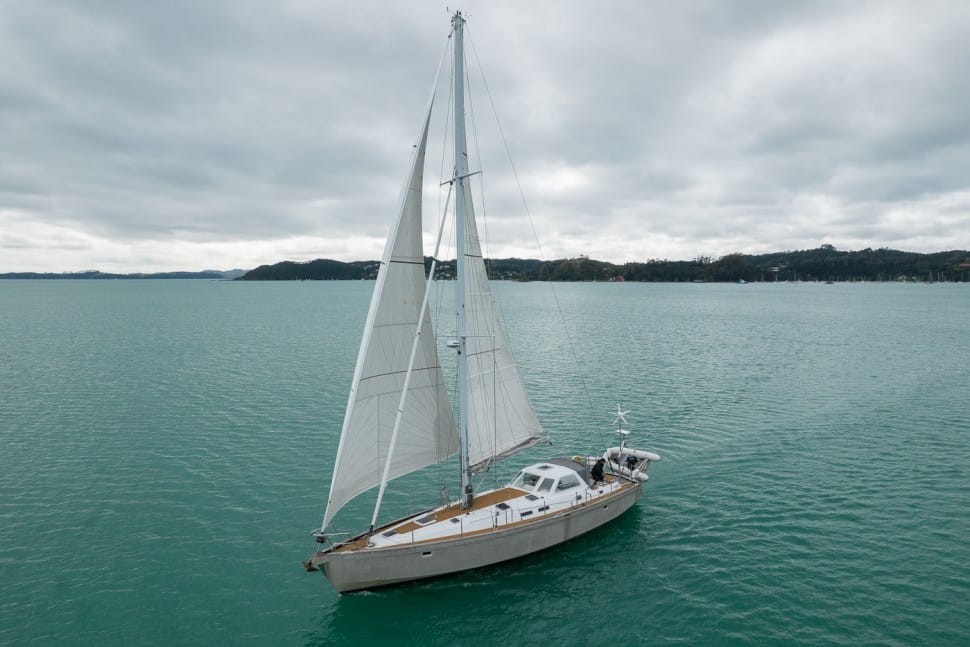
 Jean Peccoud
If you are curious about the experience
The Logbook follows the journey more closely: the places, people, decisions, setbacks, and moments that made the voyage what it was.
 Jean Peccoud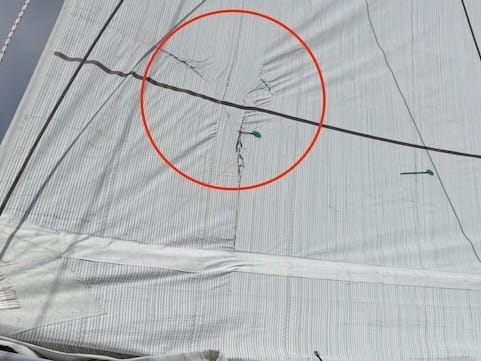
 Jean Peccoud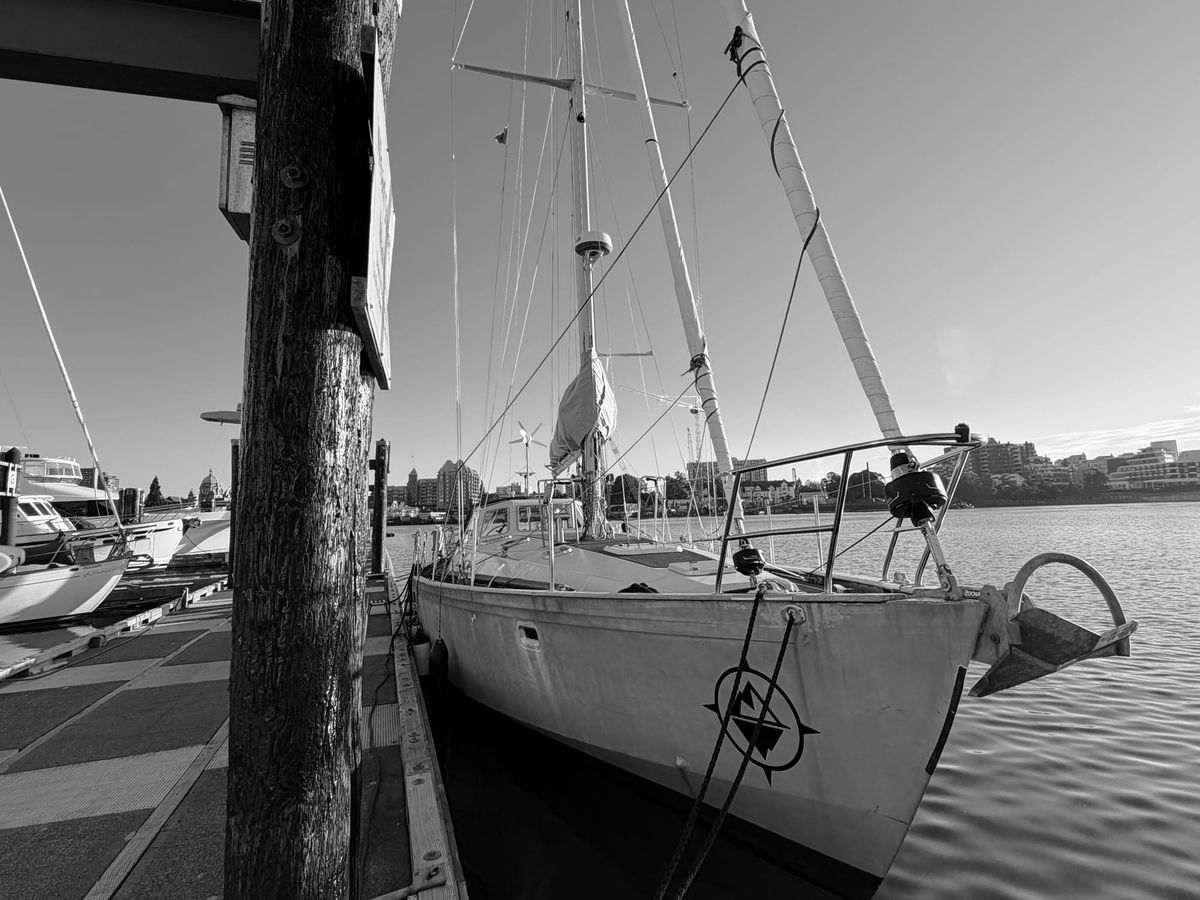
 Jean Peccoud