Ice Frontiers by Jean Peccoud
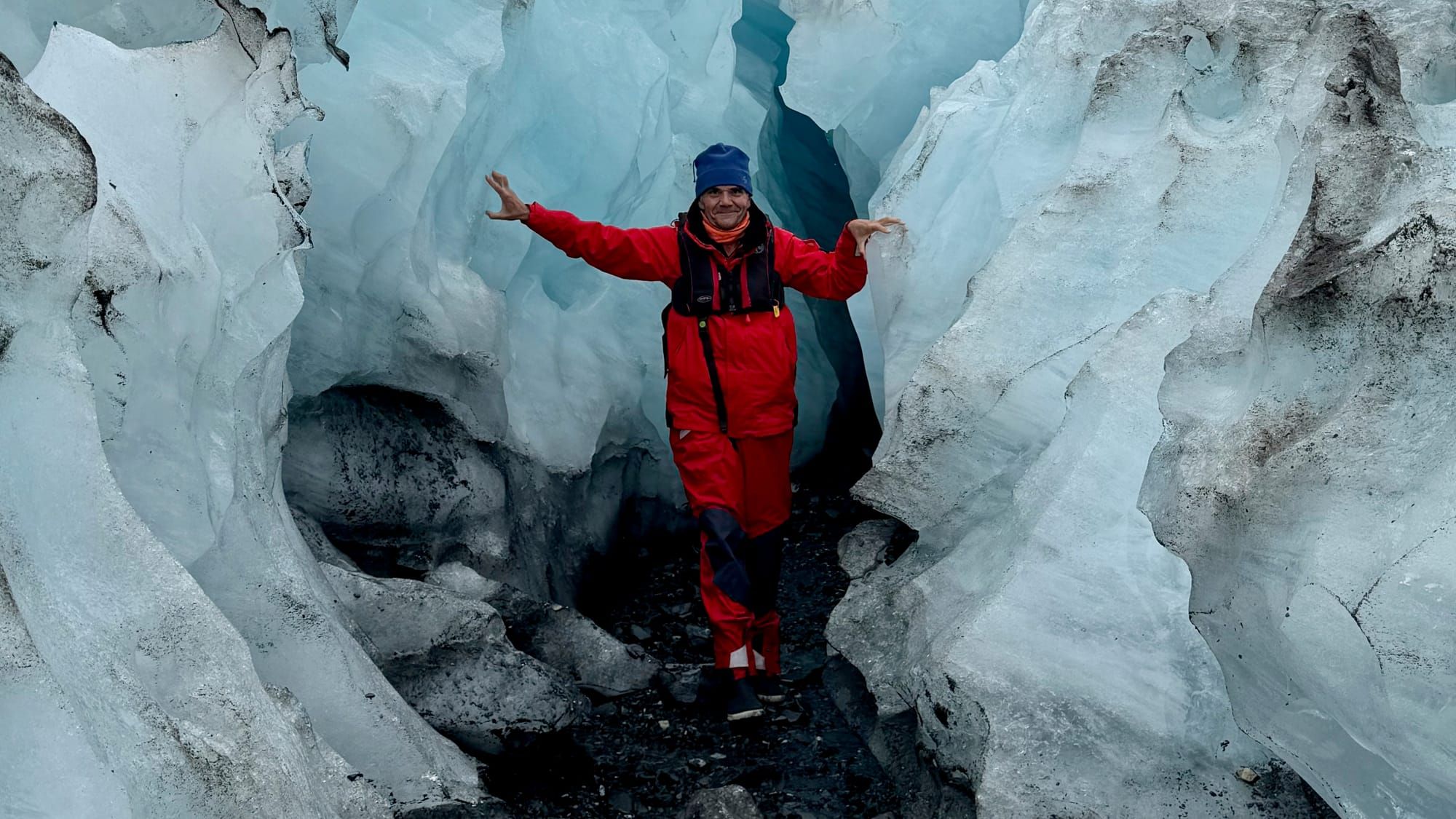
Jean Peccoud spent most of his career pushing the frontiers of biological engineering, publishing more than a hundred research papers cited over 5,000 times. In 2026, he left the classroom, bought a sailboat in New Zealand to witness climate change in Alaska. This is why.
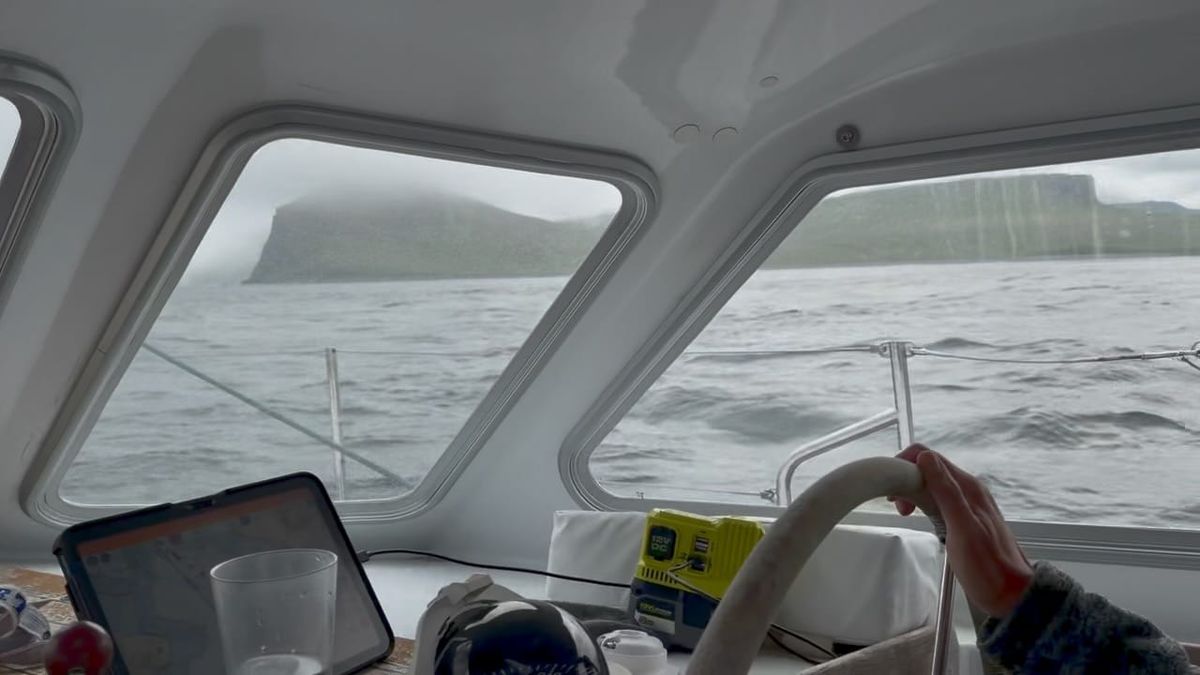
In 2026, I bought an expedition sailboat and sailed more than 9,000 miles from New Zealand, through the Marshall Islands and the Aleutians, to the glaciers of Alaska. From the choice of a route almost nobody sails, every stage required decisions I could not delegate, with consequences I could not fully anticipate. When I finally reached the ice, I saw the glaciers I had come to see. But seeing them turned out to be harder than reaching them. Each glacier was different: some were dying slowly of old age, others were holding steady, and some were falling apart. Seeing these glaciers was no box I could check. It fueled a desire to understand the story they are telling us. Before I had even turned south, I was already planning to return.
Ice Frontiers is the story of that voyage, and of what it taught me about the uncertain cost of commitment. I left with a familiar narrative about climate change: a problem to solve to save a threatened world.
Columbia Glacier made that story hard to sustain. As we sailed into Columbia Bay, the boat came to a stop well before we could see the glacier front. The sea was covered in ice. The glacier's collapse had left wreckage in the water, on the shore, even high up in the mountains. Columbia Bay looked like a crash scene.
I came to believe that one fight has already been lost. There is no credible scenario in which the ice stays at its current level, let alone returns to where it was when I first fell in love with it.
Witnessing the loss of glaciers in the Alps has been a source of grief and despair. Alaska offered something different. The sheer scale of its glaciers showed me how much is still left to lose, and that turned mourning into care. I stopped waiting for a solution that would restore the ice of my youth or preserve the status quo. I started looking forward, toward a future that keeps some ice, somewhere, without any assurance that it will come. I look that way because I cannot imagine a livable world without ice.
I am not the only one who has to live with this. I don't know how my children or my students really feel about the changing climate. My crew were moved by the ice, but I don't know what they saw.
I can only offer what I witnessed, and the posture I found to live with it. That posture was not new to me. I did not get married budgeting for a divorce, and I did not start a company planning for bankruptcy. I committed because I cared about what I was trying to build. Climate asks the same of me. I commit not because I know what will happen, but because I care.
See also
 Jean Peccoud