Buying an Aluminum Sailboat
I spent six months looking for an aluminum sailboat capable of long-distance bluewater and high-latitude cruising. Between September 2025 and March 2026 this process was a full time job. It took me to three continents. It taught me how aluminum sailboats and other bluewater boats are actually bought and sold — which is not how most sailing boat buying guides describe it.
Most people who buy a sailboat are buying a dream. That's fine — dreams are legitimate. But buying an expedition sailboat is something different. It is a decision made under genuine uncertainty, with consequences that extend well beyond the marina.
An expedition sailboat is not a weekend boat that happens to go offshore occasionally. It is a true bluewater sailboat: a vessel designed to operate far from assistance, in conditions that punish poor choices, for months at a time. Buying one means taking on a different category of responsibility — not just for the boat, but for everyone aboard.
This is what that process actually looked like. The lessons I learned buying an aluminum sailboat matching my expedition requirements will help other sailors looking for different kinds of bluewater boat fitting their own agenda and requirements.
Looking for an Expedition Boat
I started the search in Florida where I had found an Alubat OVNI 395, a well-known aluminum sailboat design. While this boat was well configured for sailing the Bahamas, it would have been difficult to make it ready to sail in cold weather. The insulation was too thin. A lot of money had been spent in setting up an air conditioning system supported by a generator. It would have been wasteful to replace this AC system with a heating system. That experience taught me to read a boat's history against its intended mission — misalignment there is expensive to fix.
I then spent a month in France where there is a large inventory of aluminum sailboats configured for high-latitude expedition. I talked to brokers and owners, but the way of doing business in France was so different than in the US that none of the offers I made closed.
The time spent in France taught me to not underestimate the emotional dimension of buying a bluewater sailboat. In particular, I learned that the way a boat is put on the market tells a lot about the mindset of the owner. Owners who are not ready to sell will find ways not to sell their boats no matter how compelling the offers they may get. I have also learned to pay attention to the state of the boat, in the listing pictures, during the video tour, and then when looking at the boat in person. A messy boat usually means a messy sale — and sometimes an aluminum sailboat that should not be purchased at all.
The Expedition Sailboat Purchasing Process
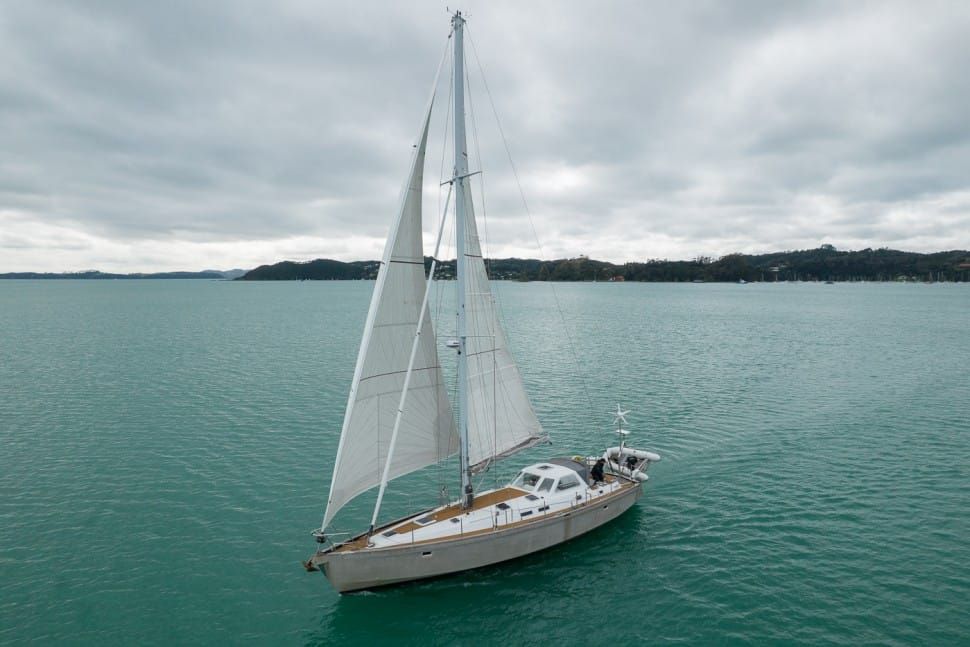
Eventually, a listing caught my attention. It took some time to realize she was the boat I was looking for. She was 10 ft longer than what I had in mind, but she looked great. Not sexy, more like she felt aligned with my project. She was a boat on a mission. The hull, the rigging, the doghouse, everything was a statement she was designed for high-latitude sailing expeditions. She was designed for a purpose aligned with my project goals.
Her location was inconvenient, though. She was listed in New Zealand. This immediately brought up the delivery issue in the picture. How would I get the boat from New Zealand to France where I intended to sail her? I heard from many frustrated brokers that wannabe buyers often forget the issue of bringing their boat back home. I heard a story of a buyer who flew from Seattle to Florida, made an offer on a boat, got it surveyed, and then realized the boat would need to trucked or sailed to the West Coast. The deal fell through.
Rosemary is a Nivelt-Joubert 53, a custom aluminum cutter from a lineage of serious offshore, bluewater sailboats. She was designed by the Joubert-Nivelt firm and built by the Meta shipyard in Tarare, France. Joubert-Nivelt and Meta is a proven combination of expertise. They teamed up to build some famous expedition boats like Philippe Poupon's Fleur Australe.
After a video tour, an offer was made and after a few iterations, the boat was under contract. Making an offer on a sailboat before seeing her can feel a little strange. The offer is made with incomplete information. I didn't not yet know what the survey would find. I did not know what the sea trials would reveal. I was committing to a process, not a transaction. But still, I agreed on a price that would be challenging to revise if the boat did not match my expectations. In the US, nobody would make an offer on the house without visiting it multiple times and consulting various databases to get a sense of the market. An expedition sailboat is one of a kind asset, with no comparables, and you have to make an offer based on a few spec sheets and a short video tour. It felt a little scary.
I booked a flight to New Zealand to finally get a chance to meet Rosemary in person. The first viewing changes the nature of the decision. Before, I was evaluating an abstraction — photos, specifications, a broker's description. At the dock, the aluminum sailboat becomes real, and with it comes the first real encounter with responsibility. Viewing at the Dock describes that moment: not excitement exactly, but the sudden awareness that once something becomes real, ownership follows — and ownership means accountability for everything that comes with it.
The survey is the main step between the offer and closing. The survey is the most misunderstood part of buying a boat. Most buyers treat it as a pass/fail test. It is not. It is a discovery process. For a bluewater sailboat as complex as Rosemary, this process spanned two weeks and involved a dozen experts looking at different systems. The goal is to build a snapshot of knowable conditions at a specific moment. The Pre-Purchase Survey explores what that interpretation demands — and why the anchor replacement that happened months after purchase, never flagged in the survey, clarified something important about what surveys can and cannot tell you.
After the Sale
Closing day itself was anticlimactic in the way only boat purchases can be. No boardroom, no keys, no champagne — just a 50-page survey report, 108 items to address, and the dawning awareness that everyone else involved was relieved to have handed their problem to someone new. I Got a Boat. It Feels Like a Mistake captures what that moment actually felt like.
Closing on Rosemary was not the end of the process — it was the beginning of a different one.
First, the aluminum sailboat had to be registered and insured before she could leave New Zealand. Registration proved a little tricky. Keeping it on the New Zealand registry was not an option because I am not a New Zealand national. Registering it in France was not an option either because France does not register boat remotely, before they reach French waters. I considered registering it in the US, but this is complicated. Each state has different rules and many underwriters prefer to limit their exposure to the American litigation culture. So, I ended up registering it in the United Kingdom.
The delivery question that had complicated the search from the start resolved itself: rather than shipping the boat to France, the expedition would begin from New Zealand. I found a good insurance broker in the United Kingdom who helped us identify an insurance company willing to cover the transpacific passage of a bluewater sailboat. Compared to December when I expected to operate an expedition boat from Europe, now the project would begin from the other side of the world. The route has changed, but the mission hasn't.
In March and April, I spent 51 days in Opua to transform her into an offshore-ready expedition sailboat. The refit is where the real decisions get made — what to fix, what to defer, what risk is acceptable to carry into open water. The refit began before the boat even went back in the water. The Boat is Up. The Mast Down. documents the first week on the hard — antifouling, standing rigging replacement, a deck leak — the unglamorous work that has to happen before any passage becomes possible on an aluminum sailboat headed offshore.
Farewell Opua documents what that preparing a bluewater sailboat in New Zealand actually involved, and the community that made it possible.
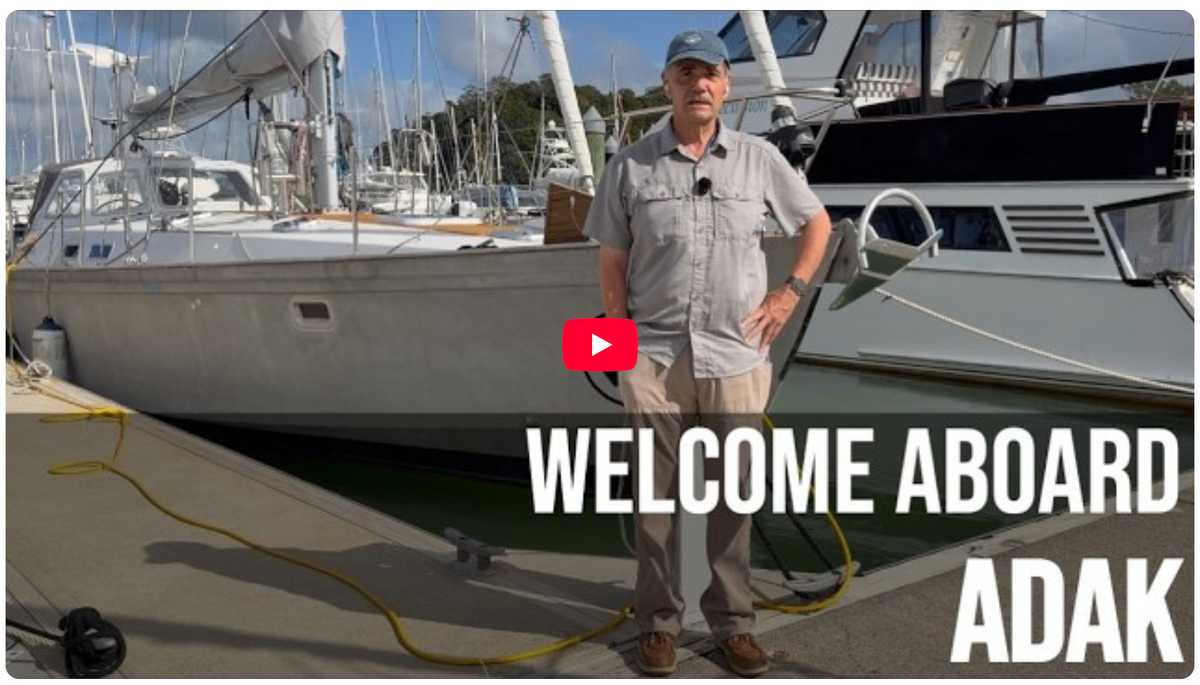
On May 8, Rosemary was ready to set sail. She also changed her name to better reflect her new mission. Adak: Video Tour captures what this expedition sailboat looked like a few days before departure day.
Buying an expedition boat also means inheriting its history. Rosemary is in Good Hands is a letter from her previous owner — a quiet record of what it means to learn a bluewater sailboat over years, and the responsibility of passing that knowledge on. That transfer of custodianship is where the purchasing process ends and the expedition begins.
Buying an Expedition Boat: The Complete Story
 Jean Peccoud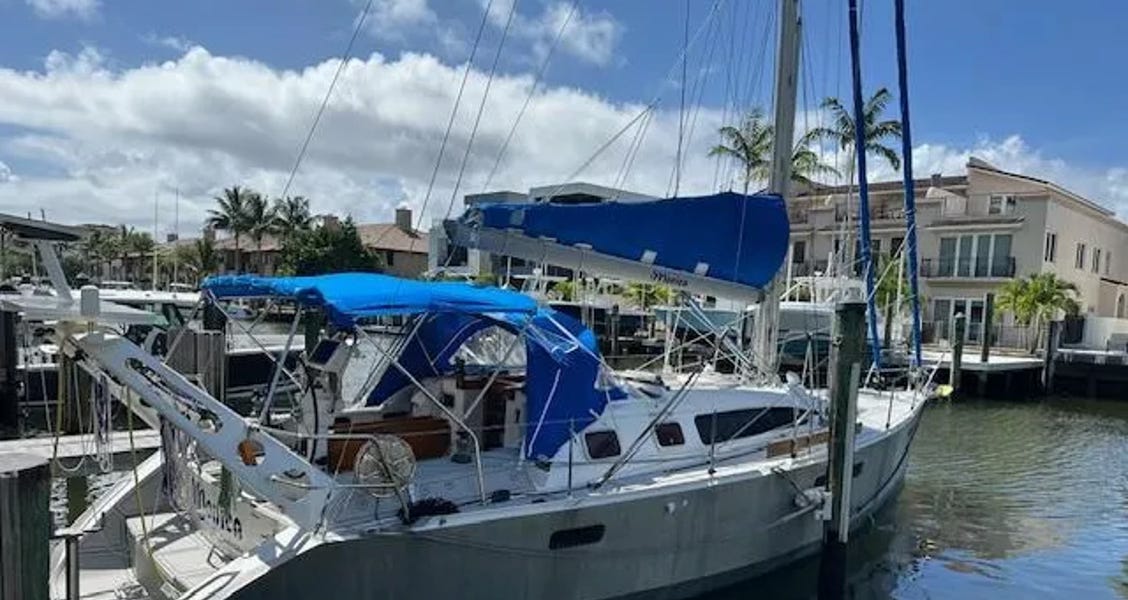
 Jean Peccoud
 Jean Peccoud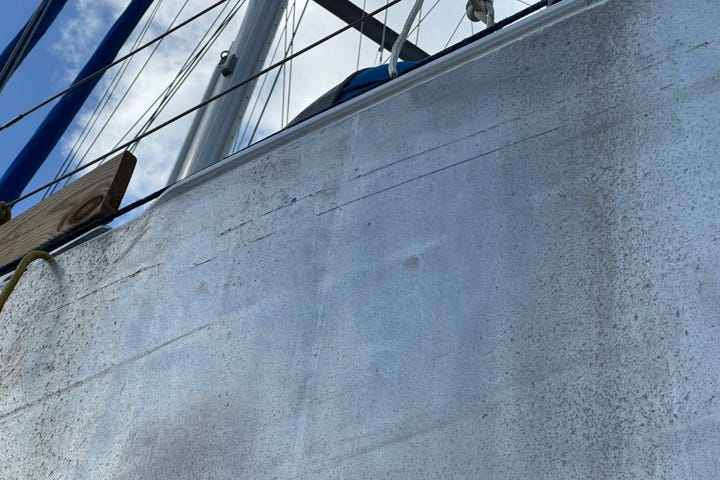
 Jean Peccoud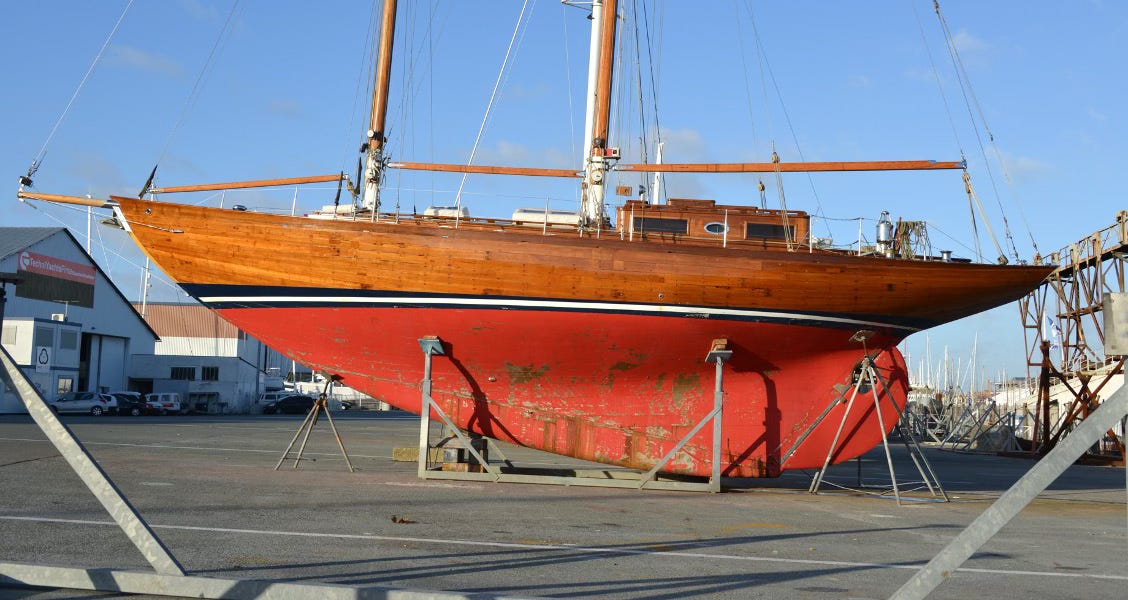
 Jean Peccoud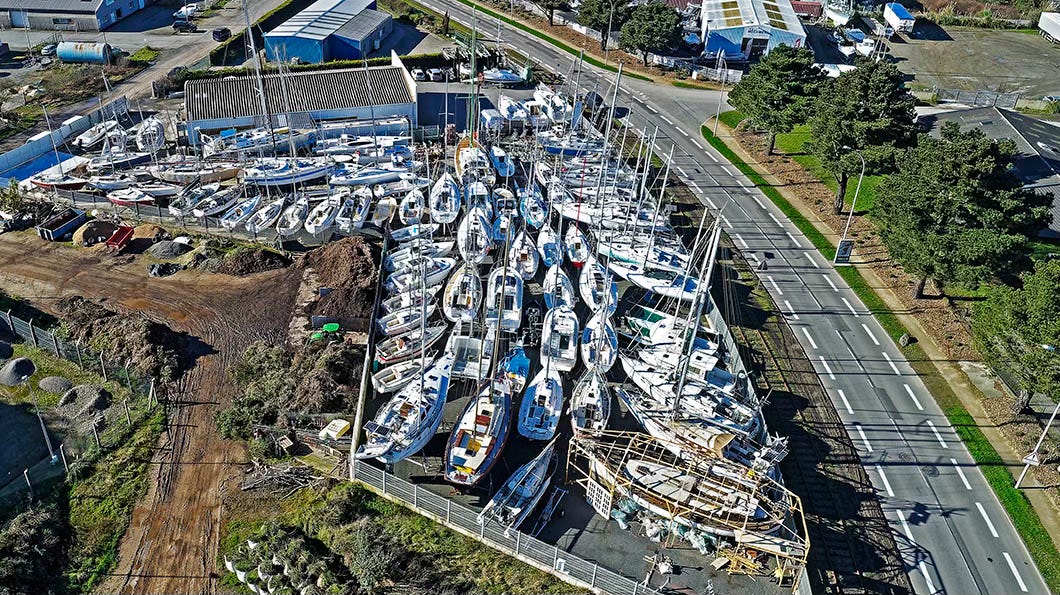
 Jean Peccoud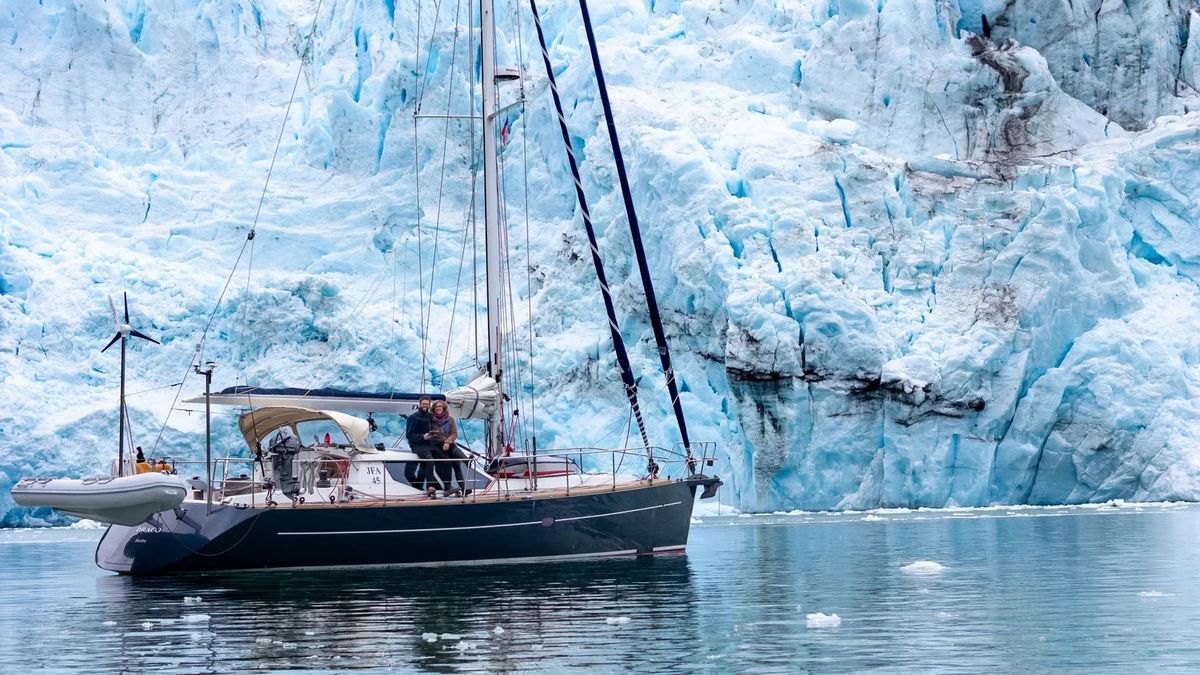
 Jean Peccoud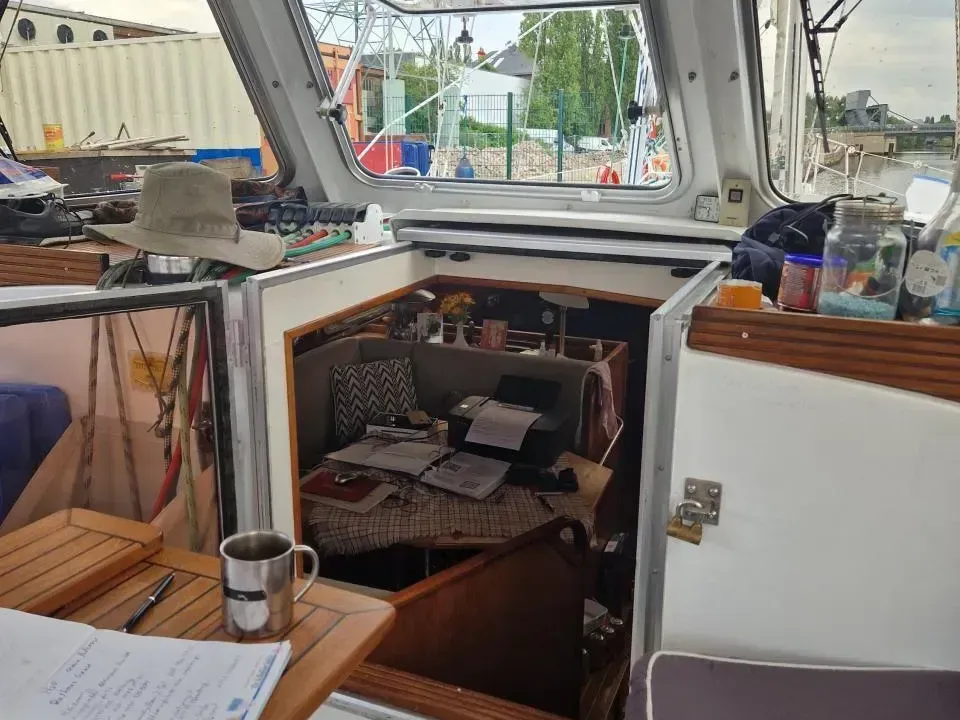
 Jean Peccoud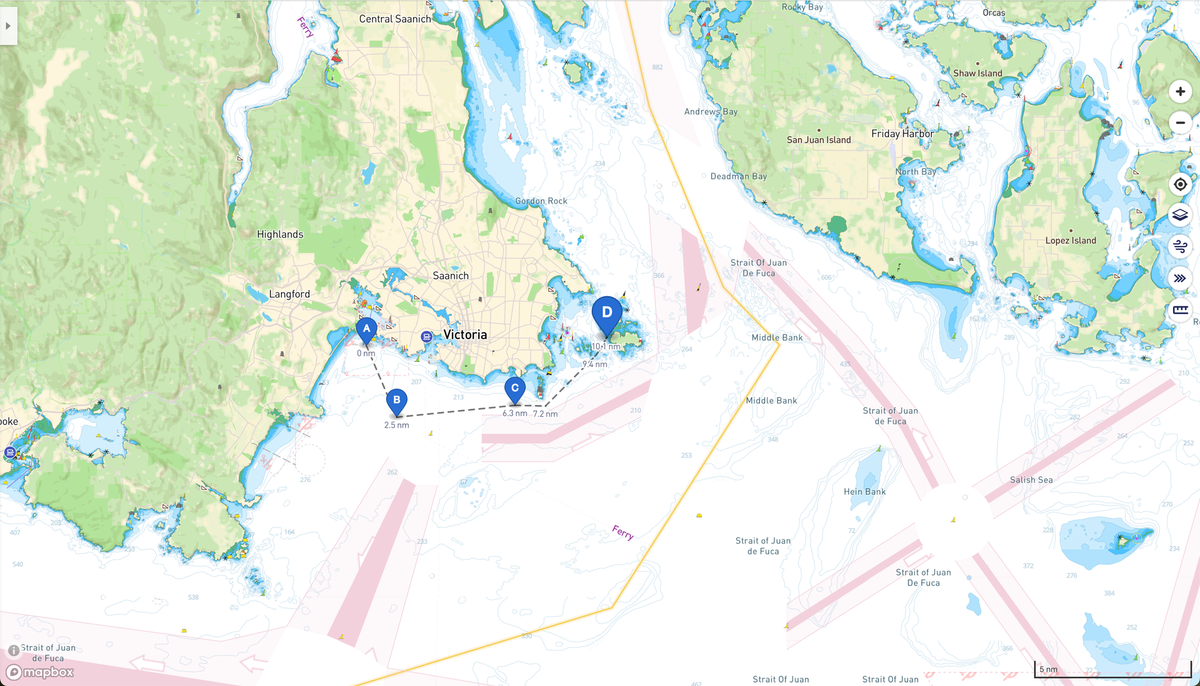
 Jean Peccoud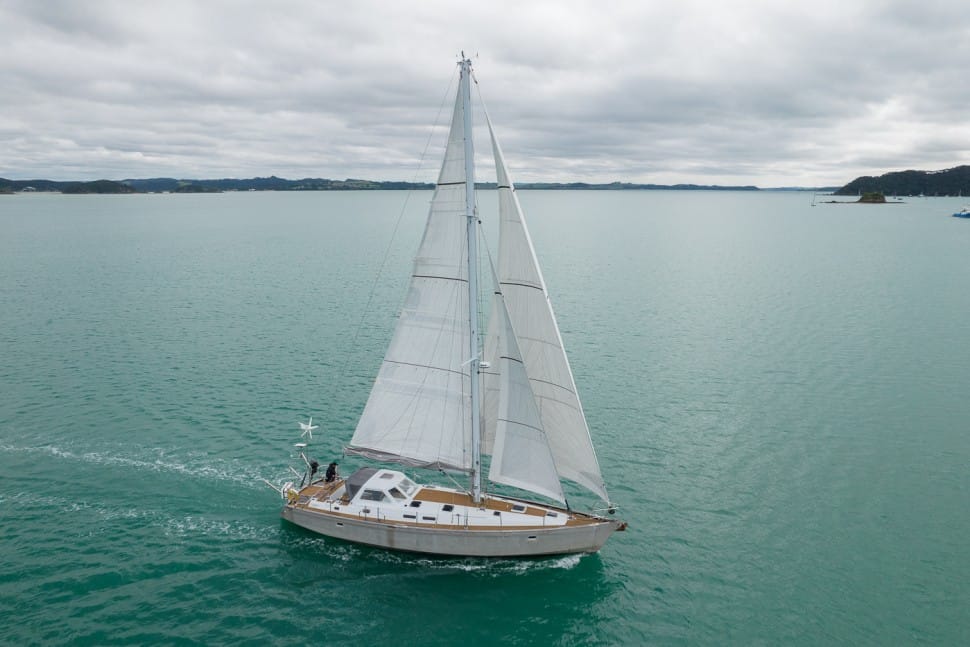
 Jean Peccoud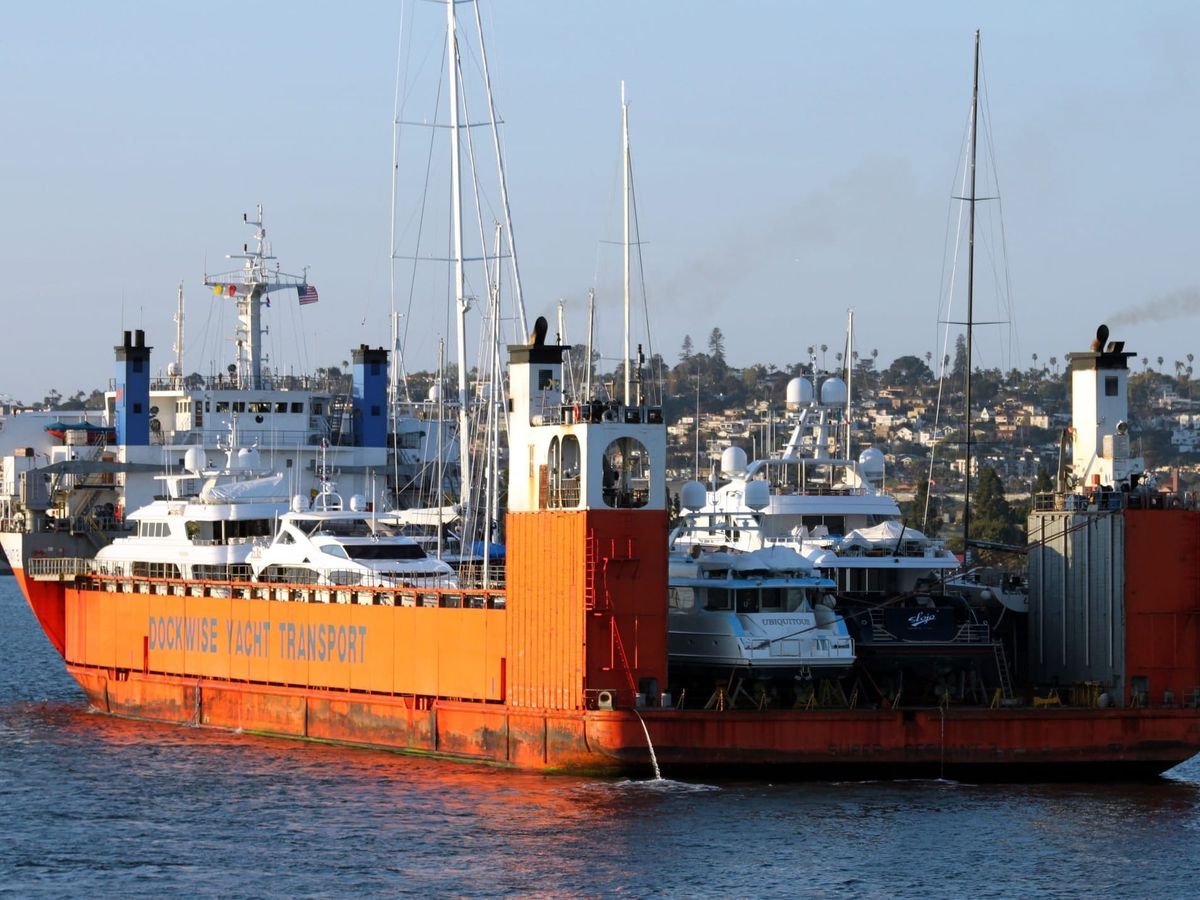
 Jean Peccoud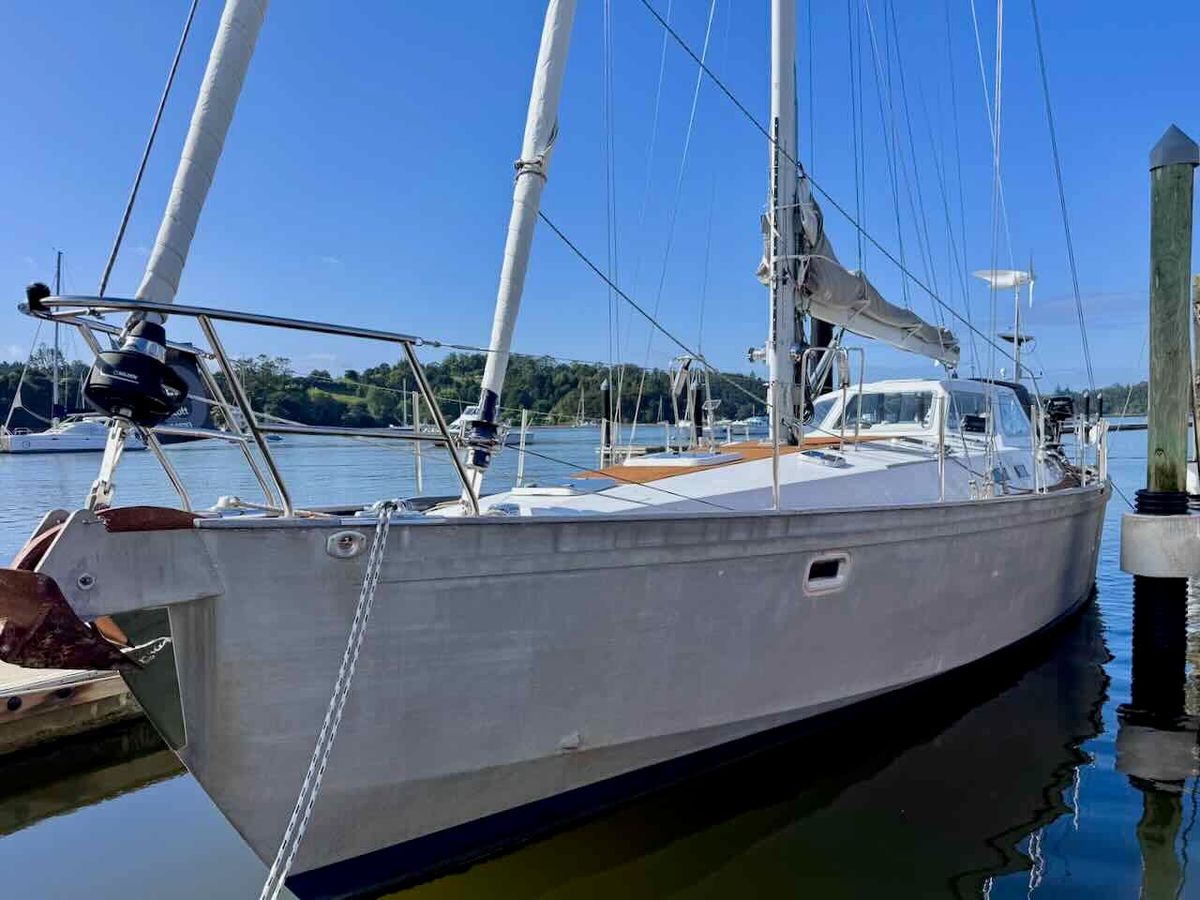
 Jean Peccoud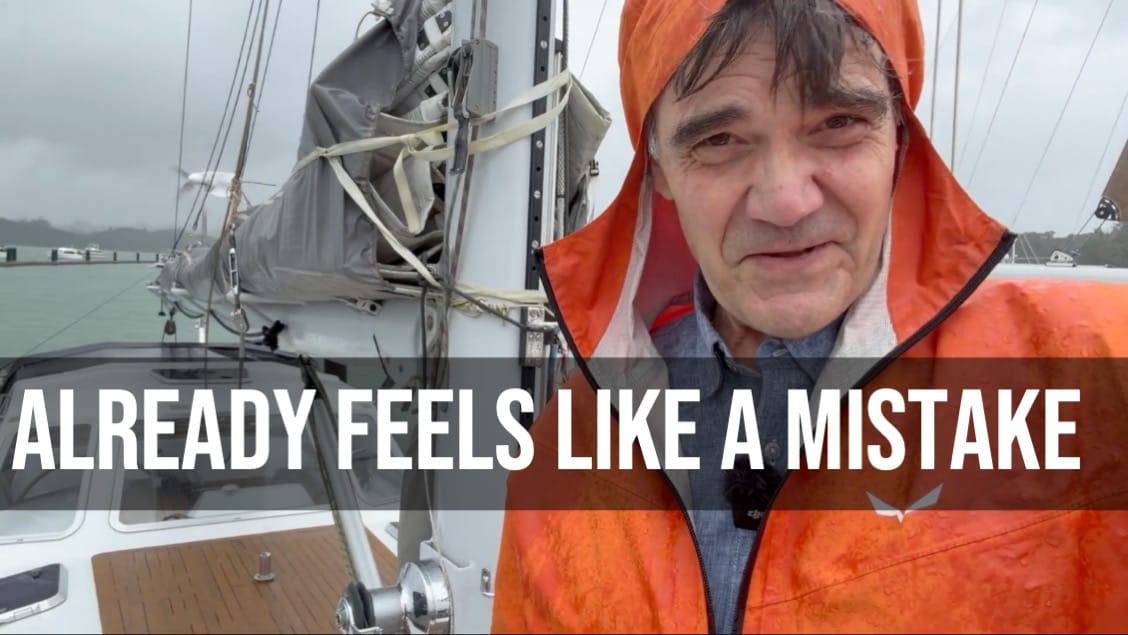
 Jean Peccoud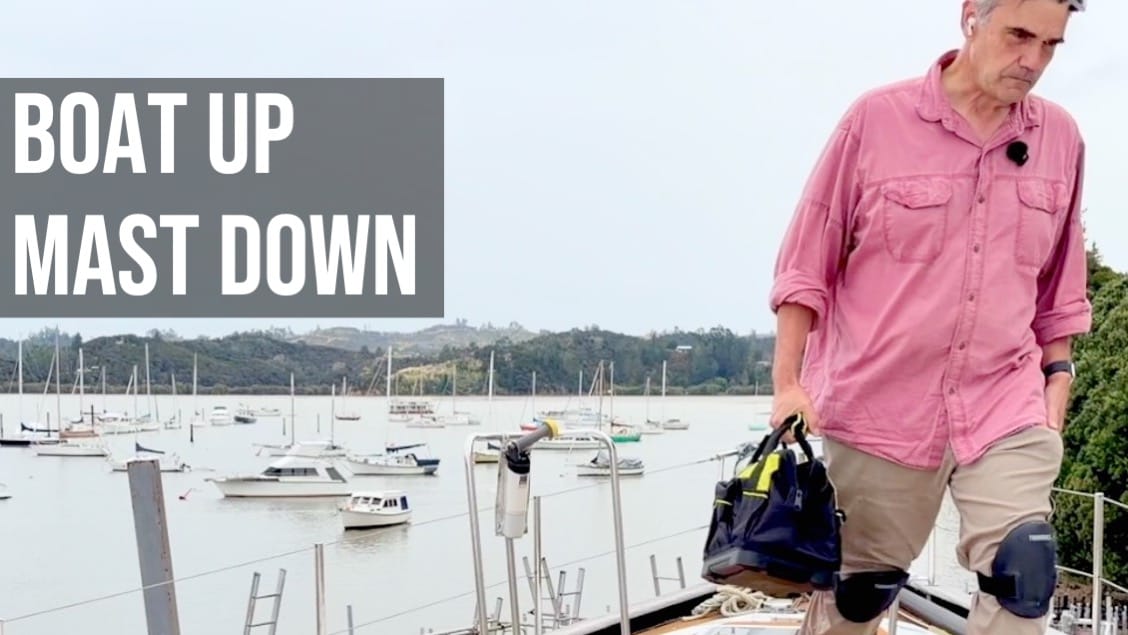
 Jean Peccoud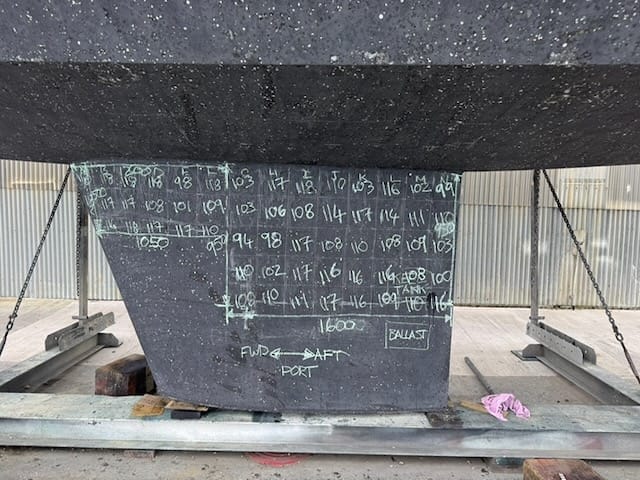
 Matt Coutts
 Jean Peccoud