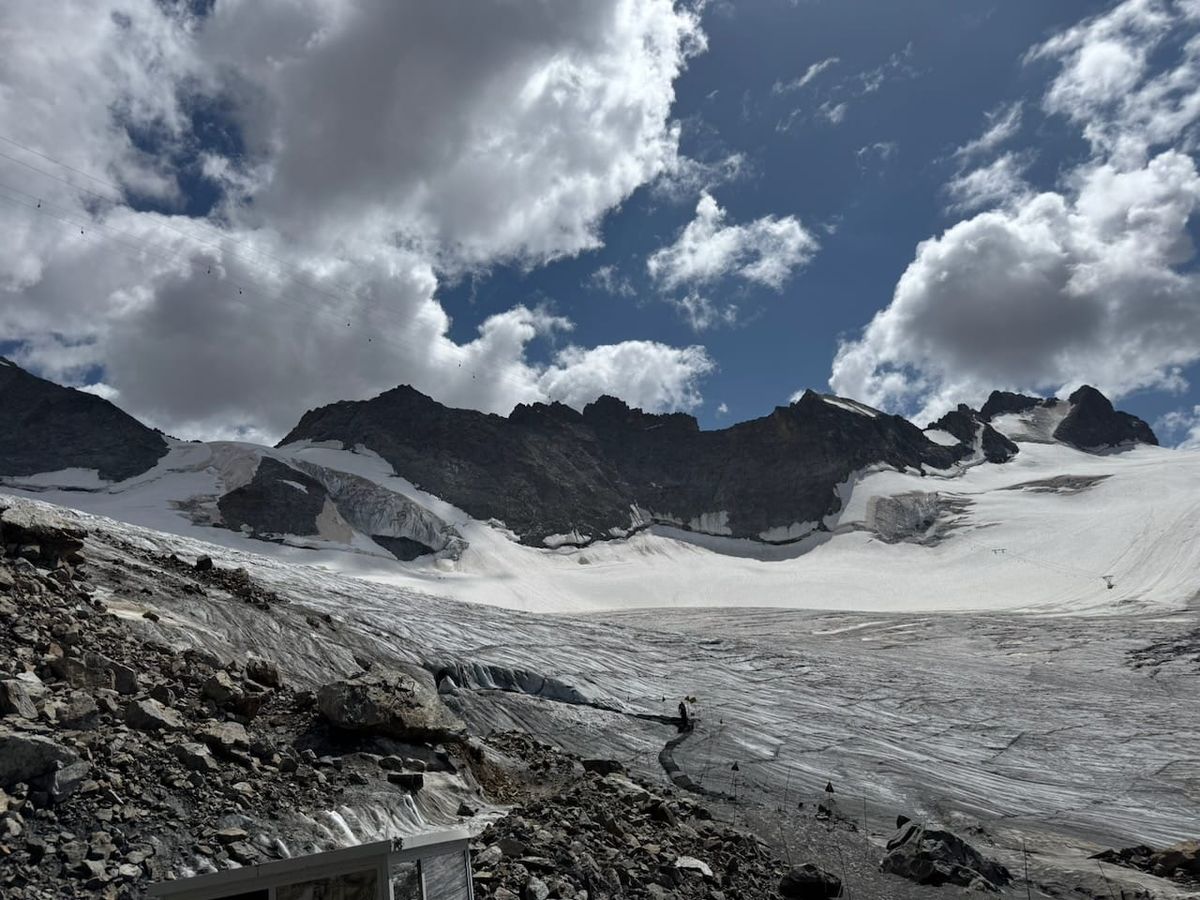
The morning I truly saw it
She woke up to rain—but something wasn’t right. A brown film covered her car, the sea carried a strange residue, and for the first time, she hesitated before stepping into the water. A quiet moment when climate change became personal.

I woke up to the sound of rain.
I opened the window — and immediately knew something wasn’t right.
The air felt heavy.
My car was covered in a brown layer.
The raindrops didn’t disappear — they left marks.
Desert dust.
I took a tissue and wiped the glass.
A brown, sticky trace.
This wasn’t just rain.
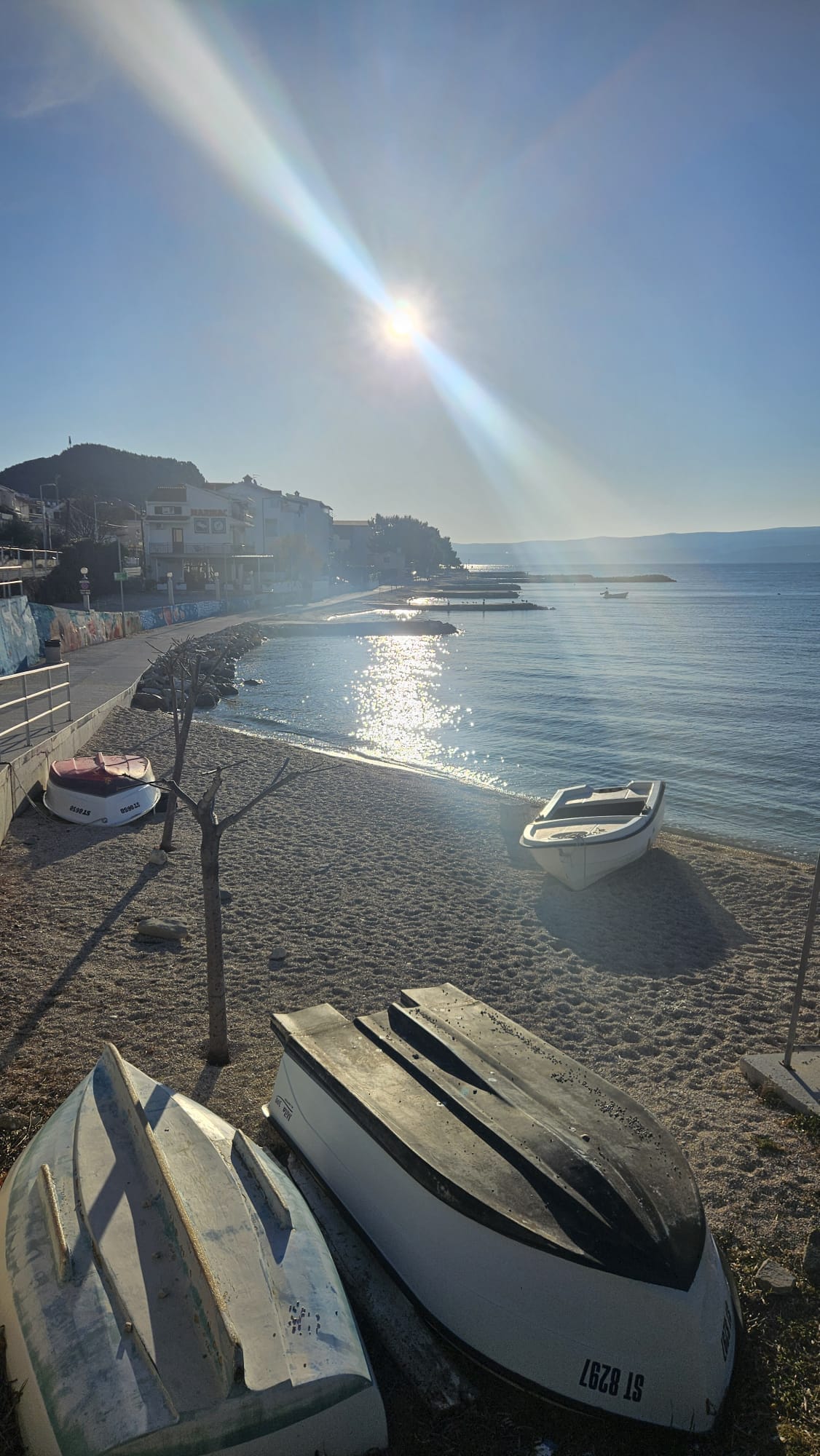
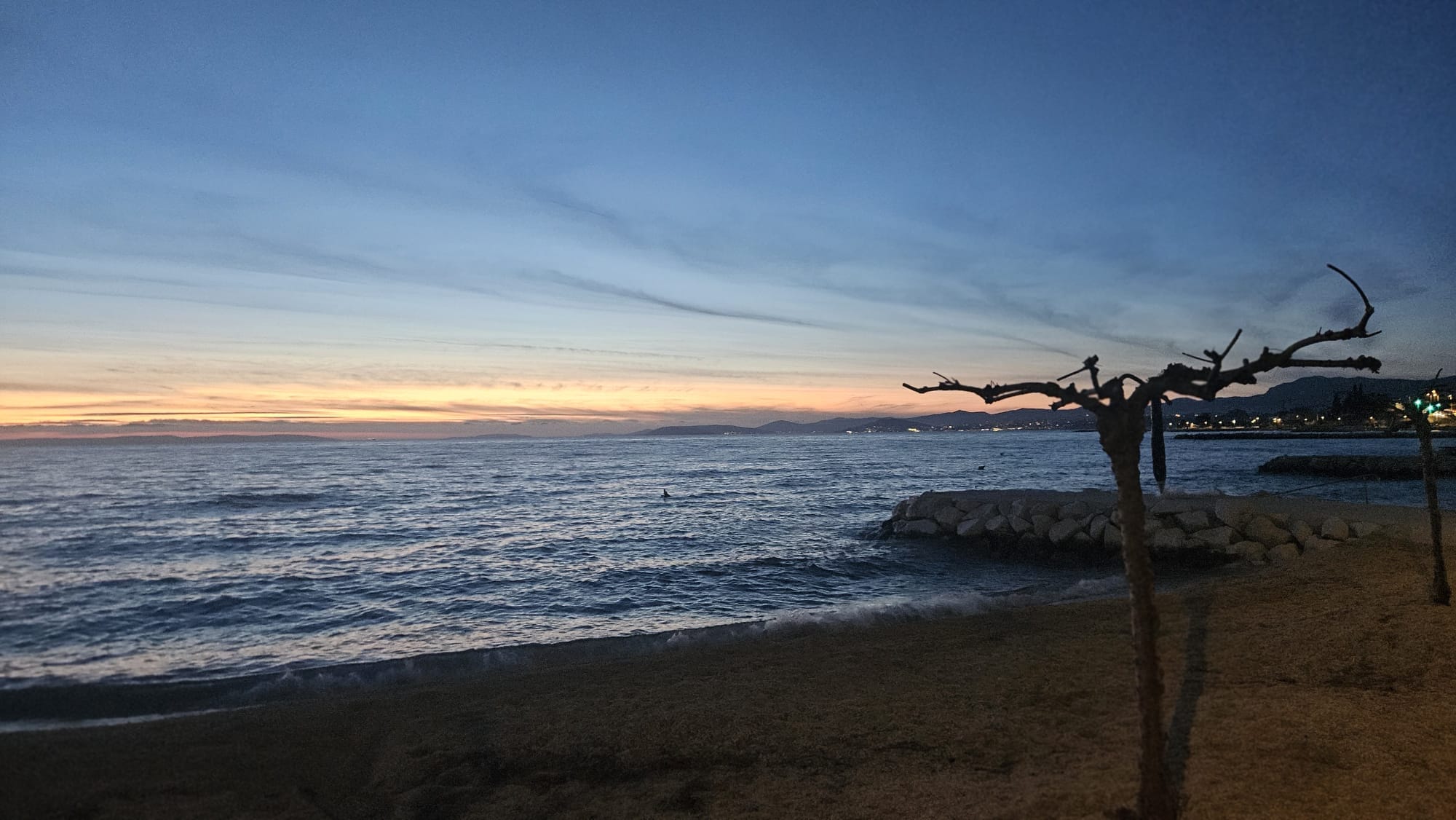
I walked down to the sea.
And it was the same there.
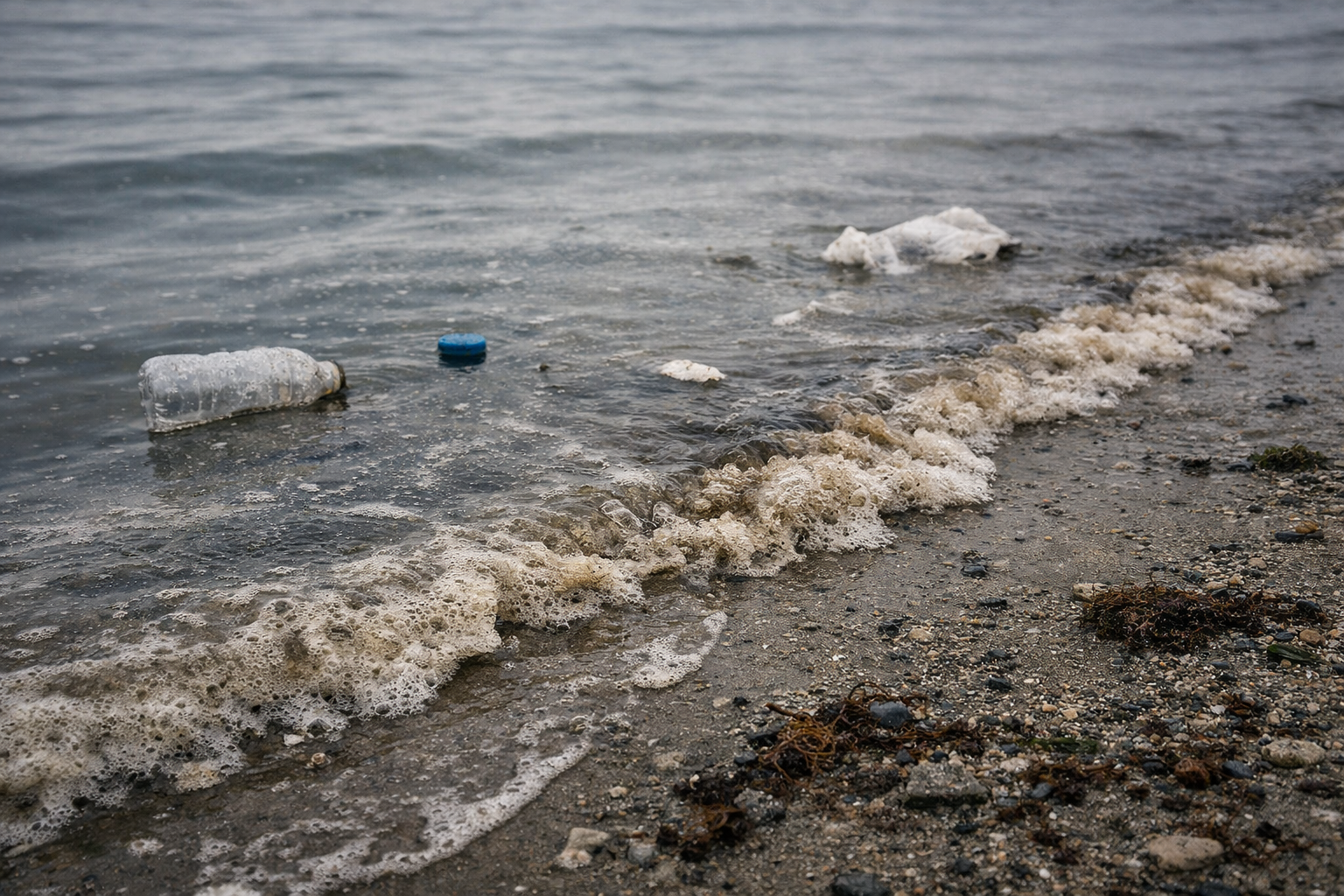
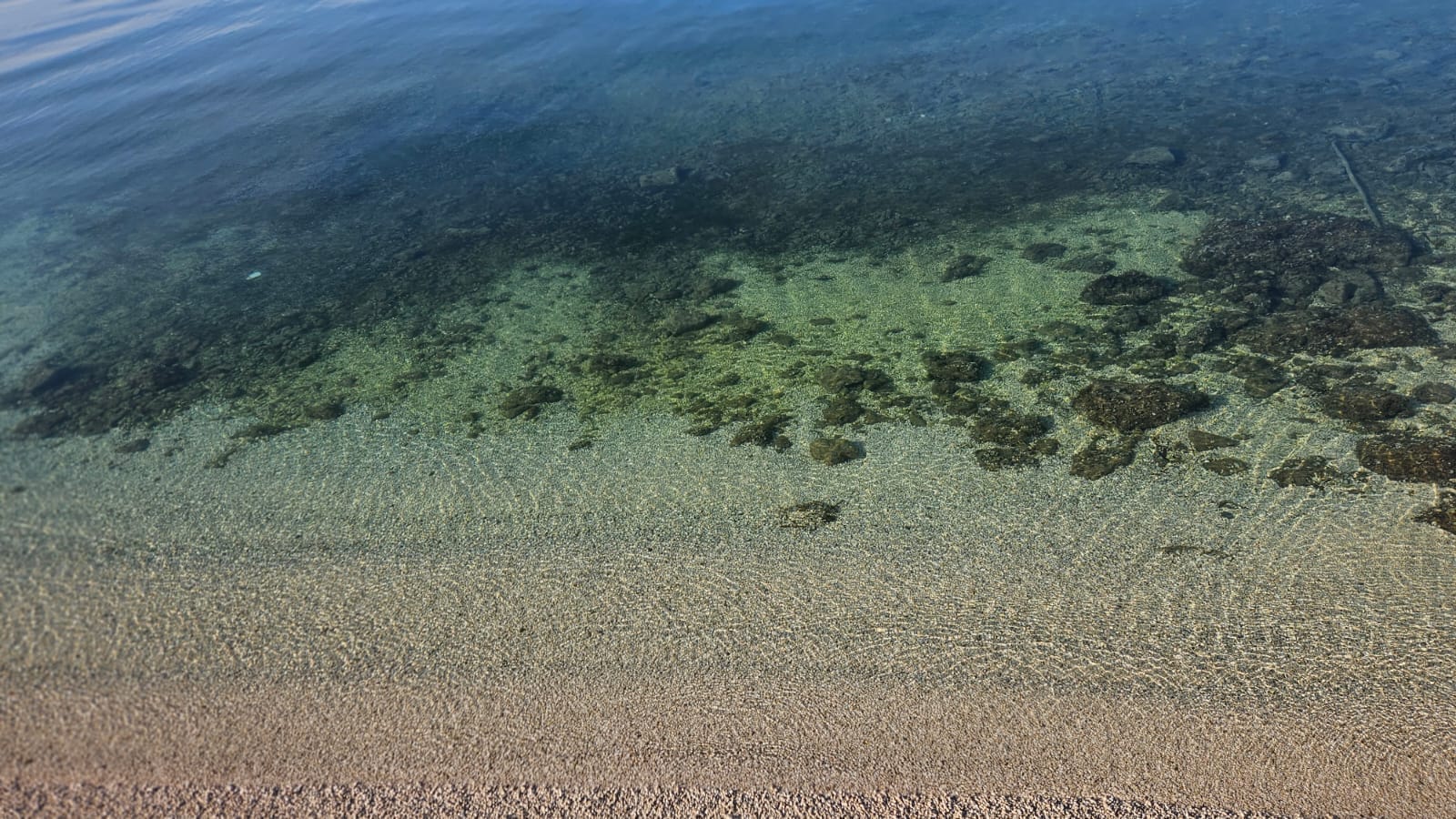
The surface was calm — but not clean.
A thin film on top.
Along the edge — small accumulations, like dirty foam.
A few meters away — plastic that wasn’t there the night before.
I stepped into the water… and stopped.
Not because of the temperature.
But because for the first time, I thought:
what is actually in this water?
I had never thought that before.
Not here. Not by the sea.
And in that moment — everything you read about for years
was no longer somewhere far away.
Climate change is no longer a headline.
It’s not a theory.
In that moment, I understood this: climate change has no borders — it is where the consequences of someone else’s actions become my responsibility.
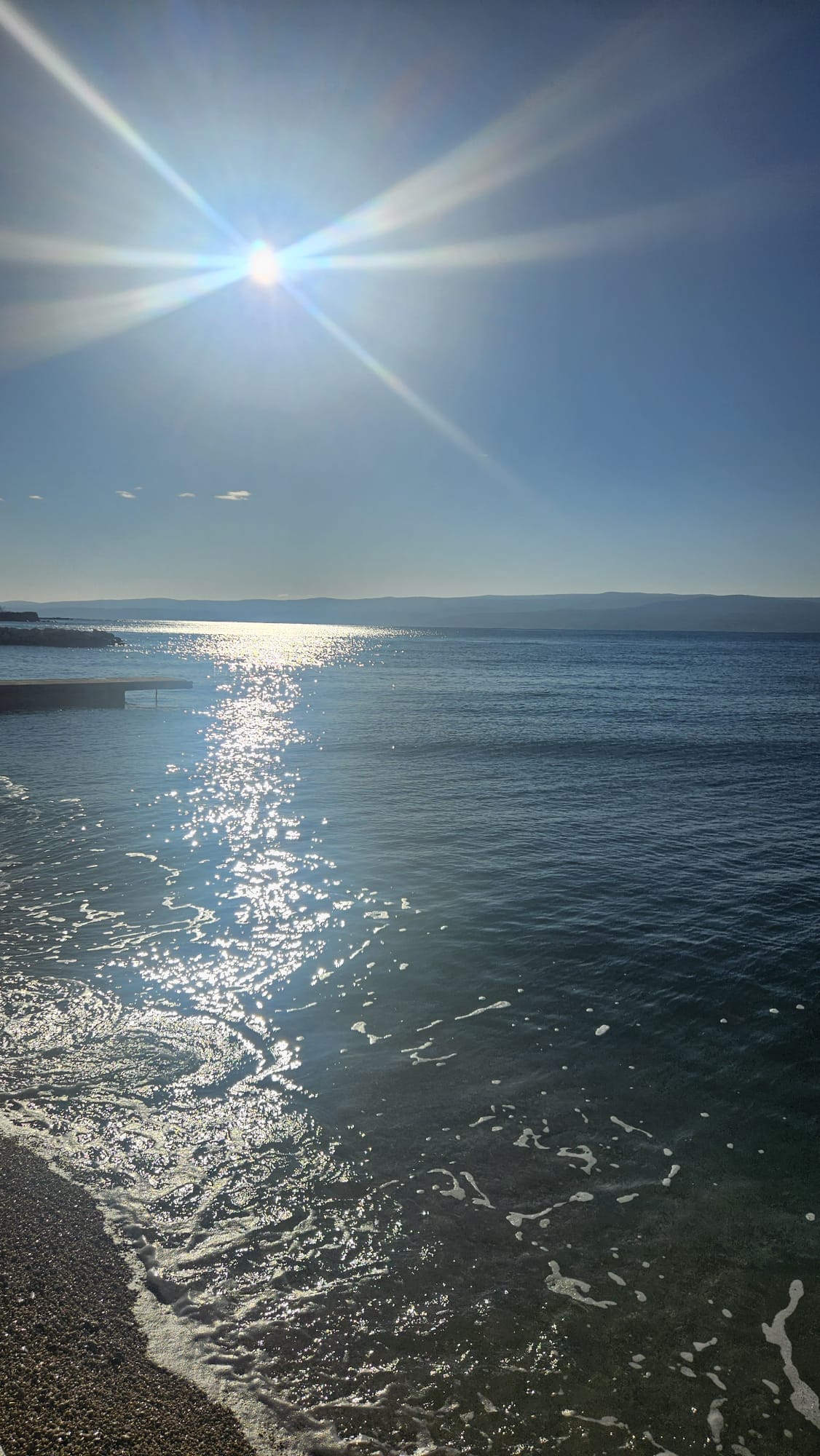
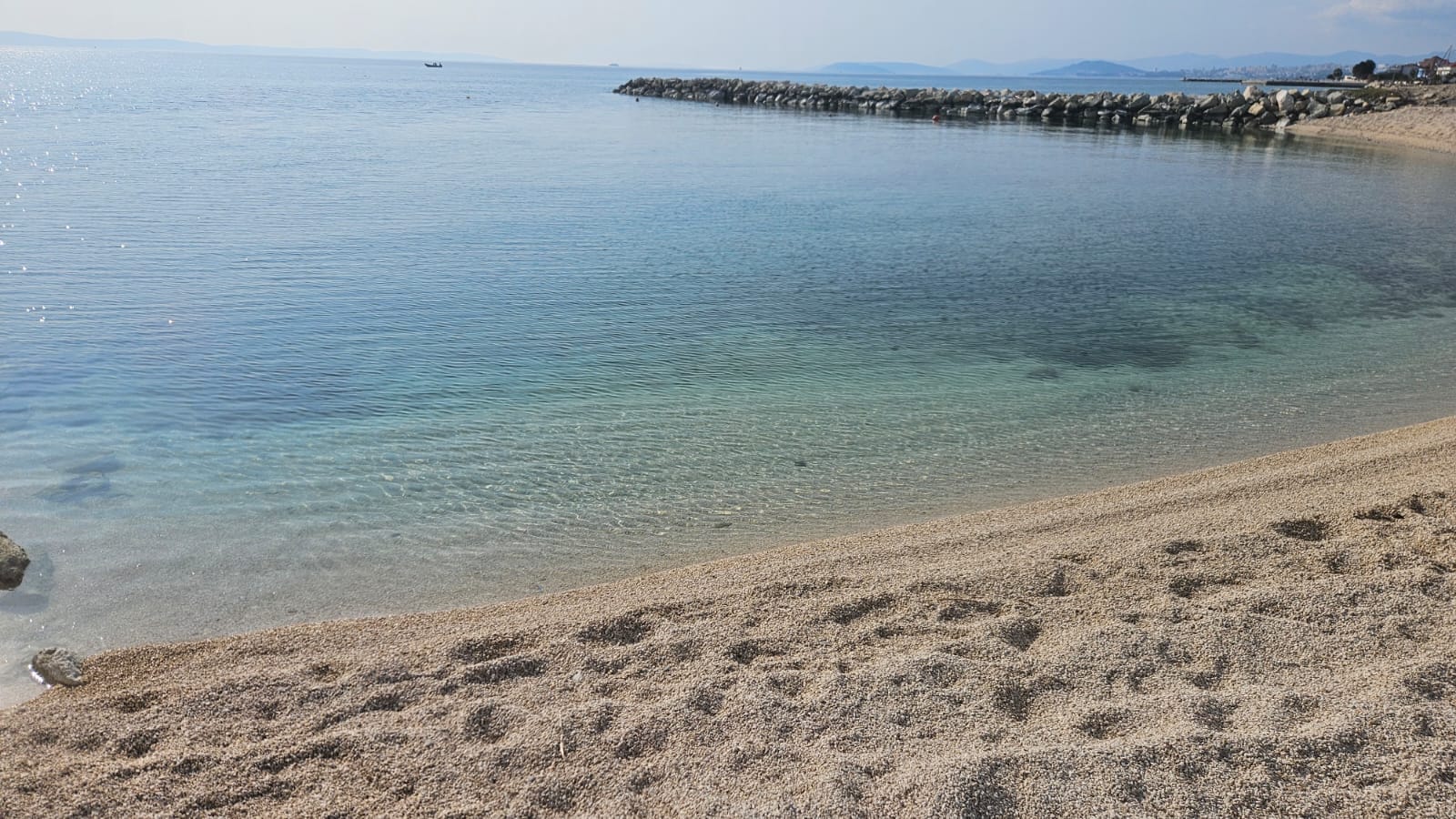
The sea I never questioned
Related Posts
 Jean Peccoud
 Jean Peccoud