Climate and Health: The Untold Reality on the Ground
Dr. Vijendra Ingole grew up in India when summer meant 40°C under an iron tin roof and drinking water arrived once a month. He didn't have the language of climate science then. He had the reality of it. Now he does both.

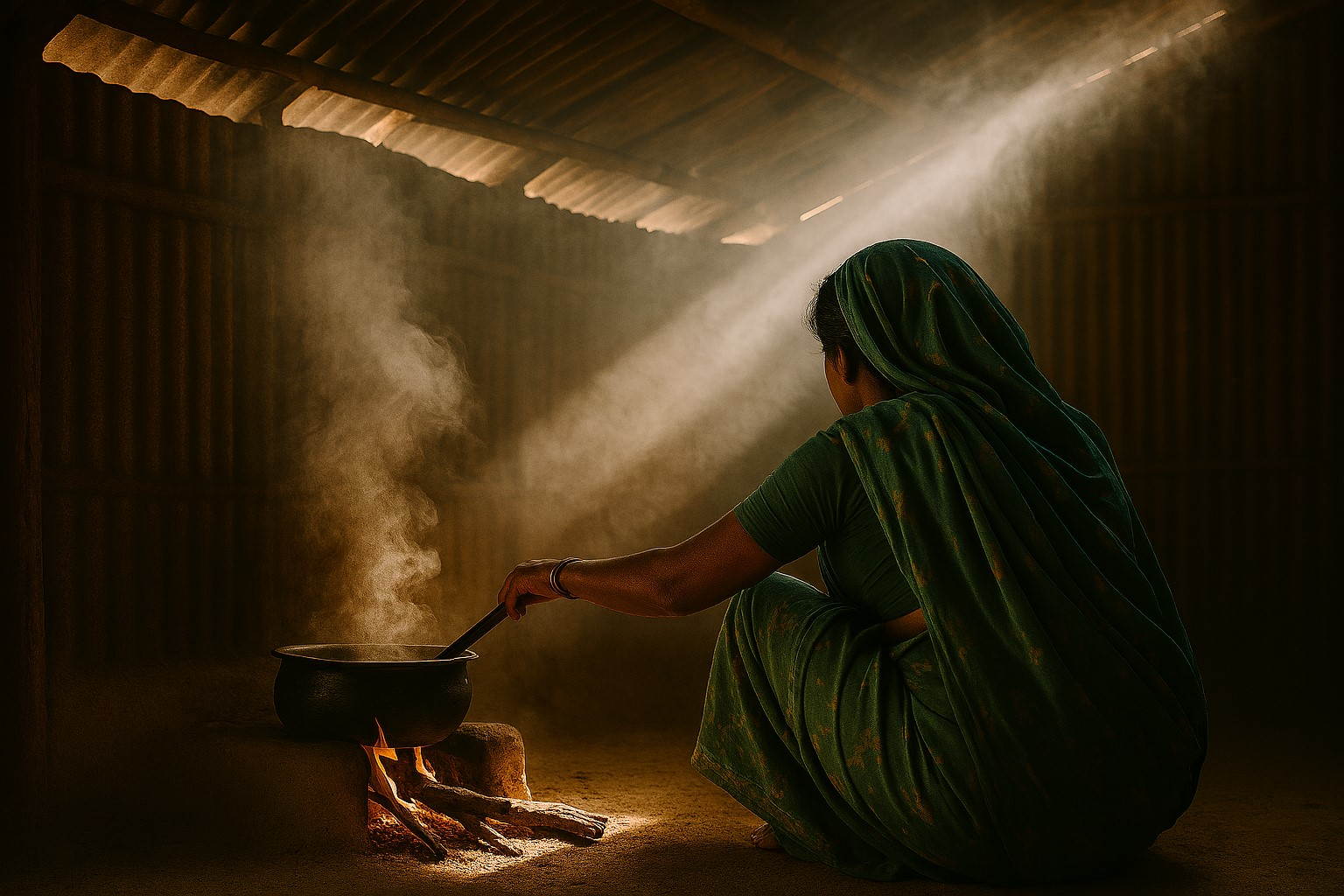
It was probably around 38–40°C (feels like 45°C) during the summer when my mother cooked for us on a chulha, using cow dung and wood. I was still in school then—nearly 30 years ago. From today’s climate perspective, that period might even be considered relatively stable. But the lived reality inside our home was anything but.
Our house had an iron tin roof, and sitting beneath it felt like being inside an oven. The heat was intense, suffocating, and constant. Today, this experience is no longer limited to memory—it is becoming the everyday reality for many communities where temperatures continue to rise year after year.
What often goes unnoticed is that this is not just about increasing temperatures. It is a compounded crisis—extreme heat combined with indoor air pollution from traditional cooking methods. At that time, I had no understanding of how these conditions affected health. Our priorities were simple: food, water, and shelter.
Food and shelter were somehow managed. But water was never easy.
We used to receive drinking water once a day. Then, as rainfall declined, it became once a week. By the time I left my town for further studies, water supply had reduced to once a month, forcing families to store water for 30 days at a time.
Is this ground reality fully understood in research and policy?
Today, the world is still struggling to ensure access to clean energy—an issue that connects global climate discussions to local daily survival. The burden falls most heavily on low-income communities, who face these challenges every single day.
These communities may not speak the language of climate science, but they understand the reality on the ground. And importantly, they hold the knowledge and experience needed to shape practical, lasting solutions.
Related Posts
 Jean Peccoud