Maintenance Range
Nothing broke catastrophically. Over 6,000 miles the boat just slowly consumed itself — until the wear, not our ambition, decided we'd turn south.

When sailors talk about the range of a boat, they usually mean one of four things.
- Fuel range determines how far the engine can take you. On a sailboat, however, wind replaces most of that fuel. As long as you're willing to slow down and follow the weather, your range becomes almost unlimited.
- Electricity used to be another limitation. Today, solar panels, wind generators, and hydro generators allow many cruising boats to remain energy independent for months.
- Fresh water is no longer much of a concern either. Modern watermakers can produce enough drinking water for a crew indefinitely as long as a reliable source of electrical power is available.
- Food is often the consumable that ultimately determines how long a crew can remain at sea, but most boats have ample space to store energy-dense foods.
On paper, then, the range of a modern cruising sailboat is extraordinary. A well-equipped boat can cross oceans repeatedly without needing fuel, water, or shore power.
History offers remarkable examples. Bernard Moitessier remained at sea for nearly ten months after deciding not to finish the Golden Globe Race. Reid Stowe spent more than three years continuously at sea without entering port. Modern round-the-world racers routinely sail around the globe non-stop in just a few months.
Looking at those examples, it is tempting to conclude that the range of a sailboat is limited only by the endurance of its crew.
I no longer think that's true.
There is another consumable on every voyage.
The boat itself.
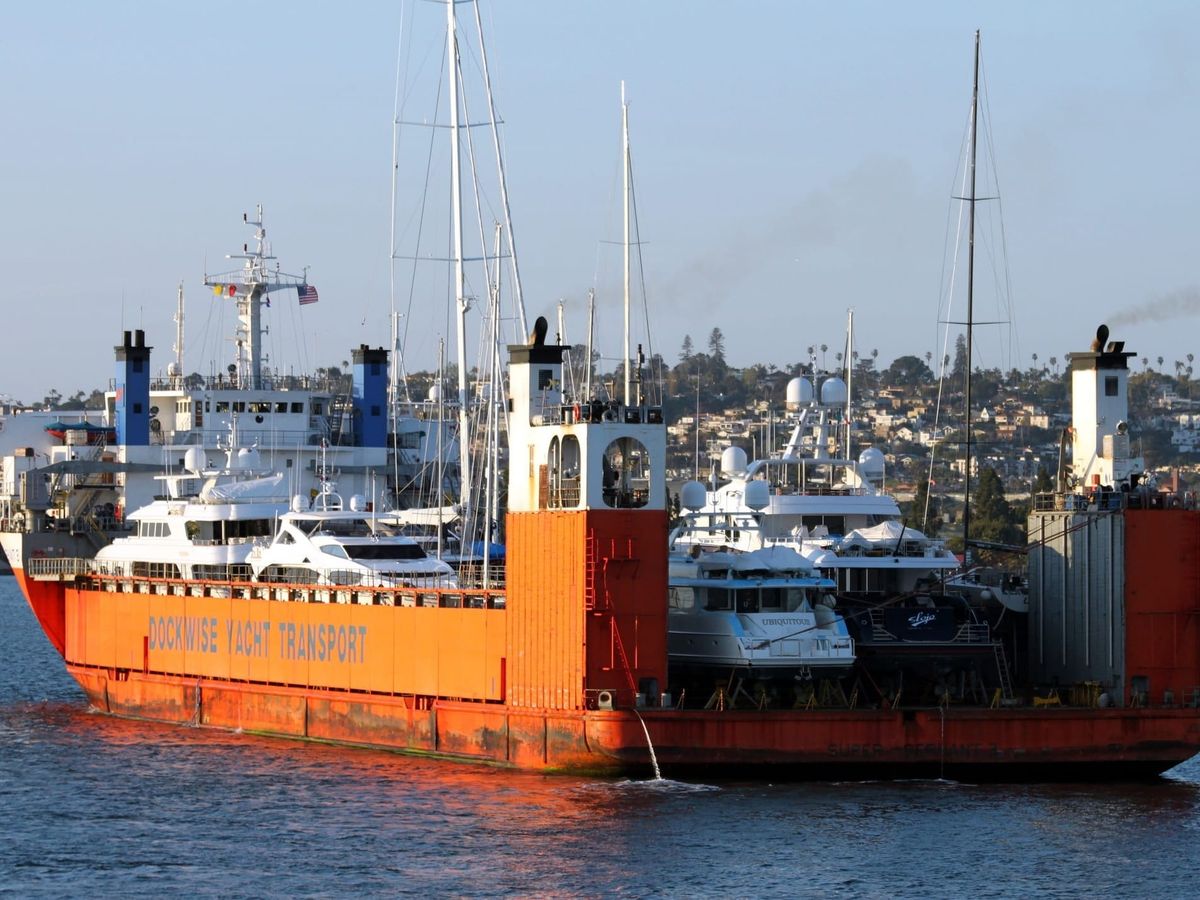
Before buying Adak, I heard owners argue that delivering a boat across an ocean could cost almost as much in wear and repairs as shipping it aboard a cargo vessel. I was skeptical, because shipping the boat is not cheap. Boats are built to sail and the wind is free. Surely using them couldn't be that expensive.
Three months after buying the boat in New Zealand and sailing more than 6,000 miles across the Pacific to Alaska, I understand what they meant.
Nothing catastrophic happened.
Instead, the boat slowly consumed itself.
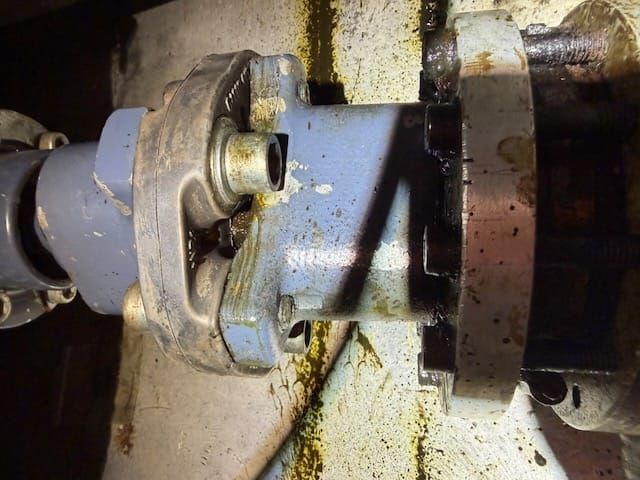
The generator developed a cooling water leak. One morning it refused to start, only to work normally the next day. The spreaders poked holes in the genoa and the mainsail delaminated. The propeller shaft seal began leaking oil.
When something breaks offshore, there are surprisingly few possible outcomes.
- Sometimes the problem disappears as mysteriously as it appeared. Electronics seem particularly fond of this category. The radar refuses to start one morning, then works perfectly the next.
- Sometimes the problem can be repaired underway. We patched the genoa while sailing across the Pacific.
- Sometimes it can wait until the next anchorage. We repaired the generator and patched the mainsail in Dutch Harbor.
- And sometimes you simply learn to live with it. We sailed thousands of miles with two reefs in the mainsail to avoid loading the damaged section. We kept topping up the oil leaking from the propeller shaft because replacing the seal required a boatyard. None of these decisions felt unreasonable at the time. They were the only practical choices available.
The danger isn't the temporary repair.
The danger is the accumulation and extension of temporary solutions.
Each one changes the operating envelope of the boat. A patched sail can no longer be loaded as before. A leaking shaft seal requires constant monitoring. A generator of uncertain reliability reduces your electrical redundancy. Individually, each compromise is manageable. Together, they quietly erode your margins.
The boat that arrives after a long passage is not the same boat that departed. It's a tired boat. The worn sails, the oil stains in the bilge, the patched canvas, the loose fittings, the chafed lines—they tell the story of the voyage as surely as the logbook.
These aren't the marks of neglect. Every one was earned. But that is exactly what makes them dangerous—earned damage is easy to be proud of, and pride is a poor reason to keep sailing.
The scars still need healing.
Offshore, you often have no choice but to continue. You are days or weeks from the nearest harbor. The weather may make turning back impossible. Living with uncertainty is simply part of ocean sailing. And it is surprising how much uncertainty the boat and the crew can tolerate over extended periods of time.
Eventually, however, options become available. There comes a moment when continuing is no longer forced by geography. It becomes a decision.
That decision requires recognizing that the uncertainty which was acceptable offshore has become avoidable. The boat is no longer operating as designed. It is operating on a growing collection of temporary fixes, workarounds, and new habits that have become signs of complacency.
At some point, continuing stops being adventurous and starts becoming careless.
I have started thinking of this as the maintenance range of a sailboat.
Not the distance it can travel before it runs out of fuel or food, but the distance it can safely operate before accumulated wear requires the attention of mechanics, sailmakers, and spare parts that only a proper boatyard can provide.
Before reaching Dutch Harbor, we briefly considered continuing through the Northwest Passage this season. The timing was tempting. We would have had a month to prepare the boat before the passage opened in August. All we had to do was sail north instead of south.
But the decision was no longer about weather or crew endurance.
It was about the boat.
The sails had reached the end of their useful life. The propeller shaft needed repair. Too many systems were operating under temporary compromises.
We weren't turning south because we had reached the limit of our ambition.
We were turning south because we had reached the maintenance range of the boat.
Related Posts
 Jean Peccoud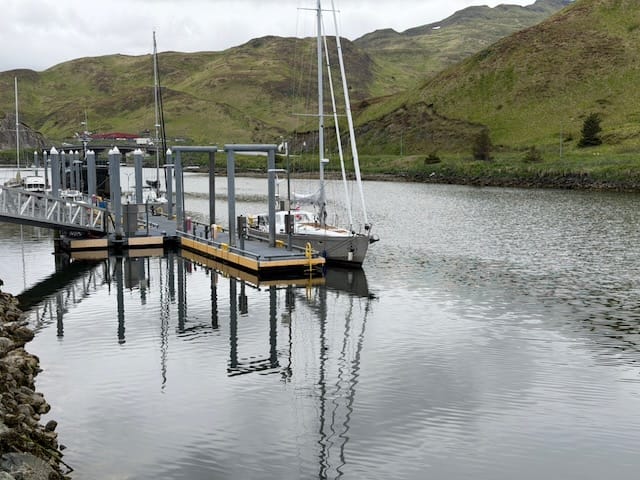
 Jean Peccoud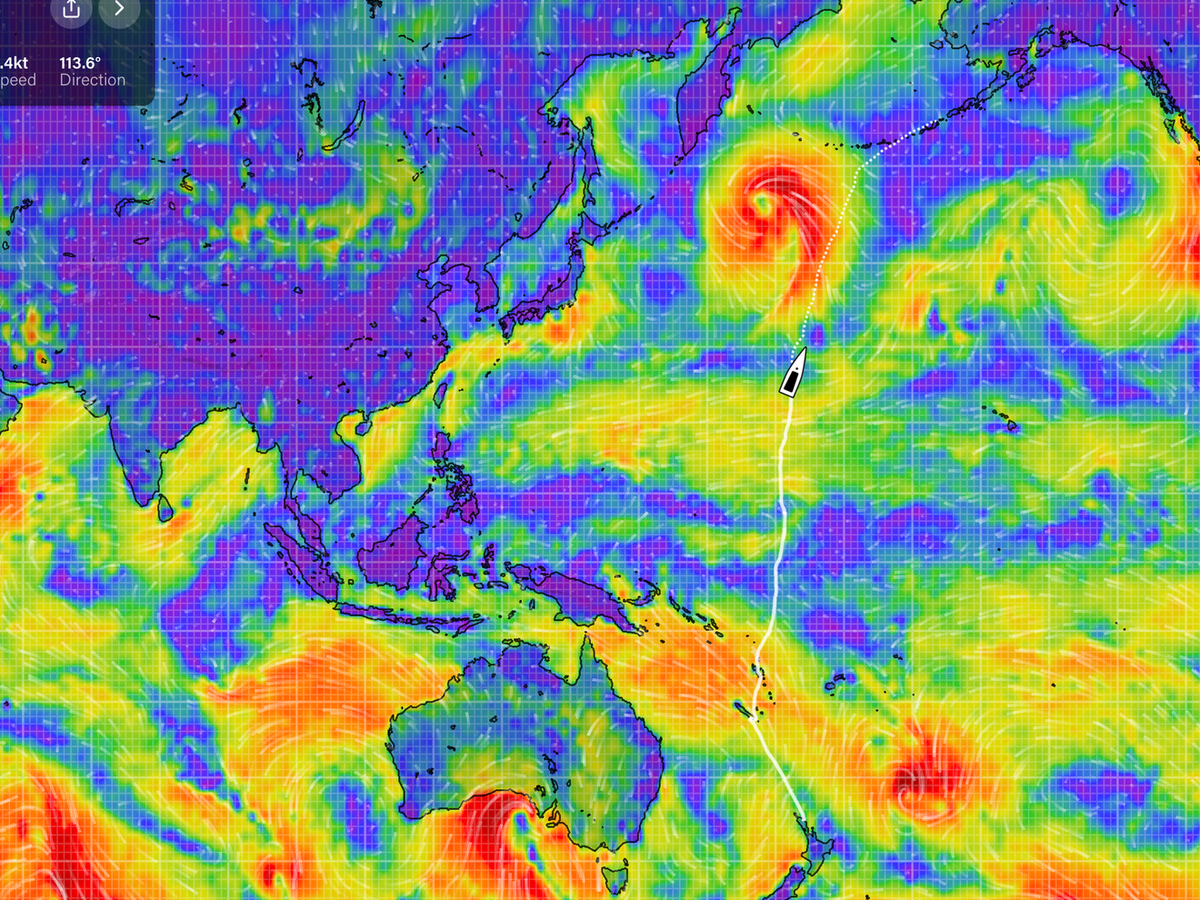
 Jean Peccoud