
Happy New Year!
The resilience narrative is usually a story of happy endings. In the moment, it does not feel that way.

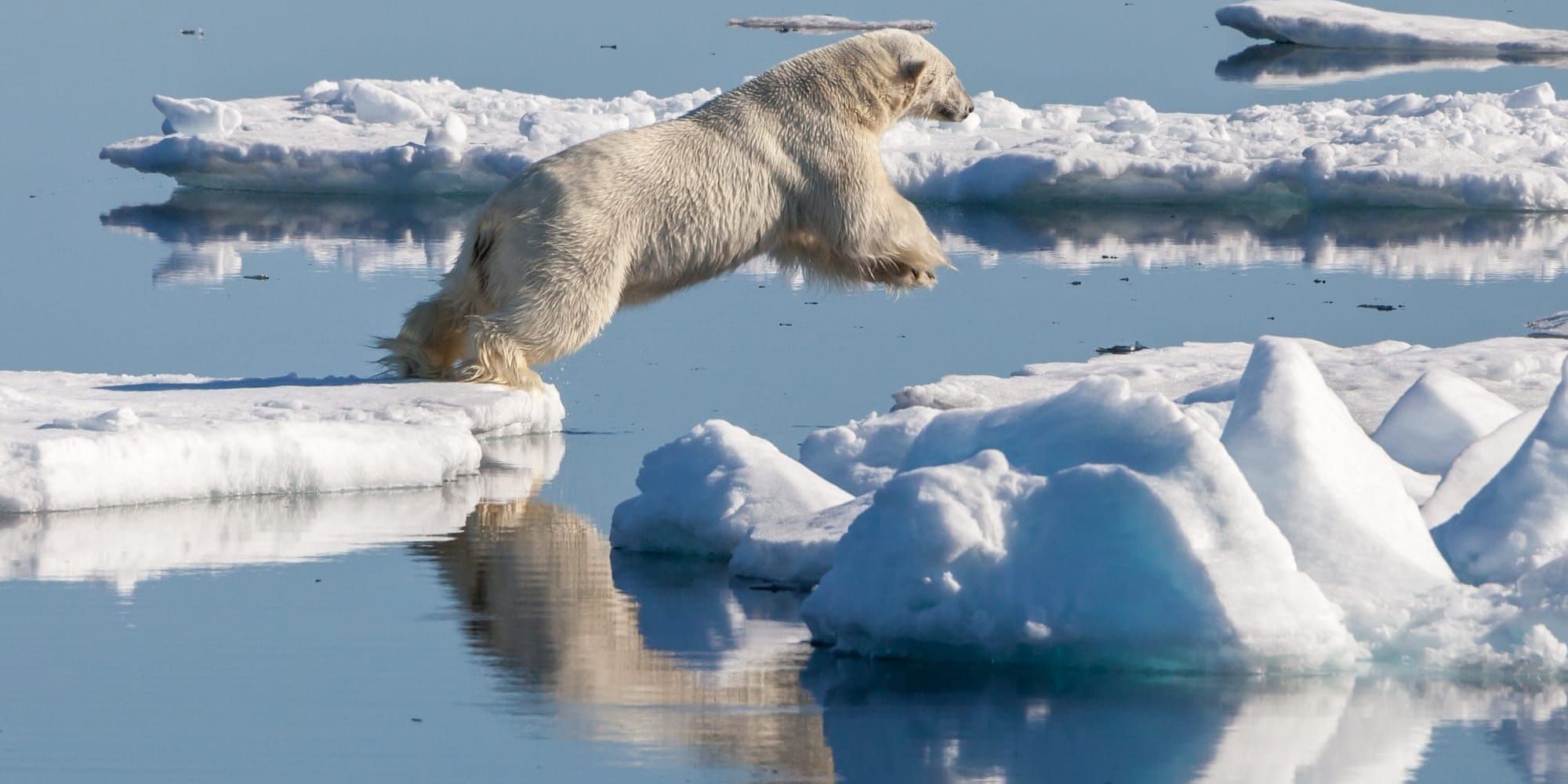
Resilience is often described in retrospect, once things have stabilized into a new normal. The resilience narrative is usually a story of happy endings.
In the moment, it feels nothing like stability or assurance. Resilience is a story of loss and uncertainty. Resilience is a gamble. It feels like standing still long enough to admit that the ground has shifted beneath your feet—and that it is not going back to where it was. It is hedging a bet between the timing of an imminent collapse, wondering how long we might be able to stay in place, and the risk of stepping onto new ground, wondering if it will hold.
This year, I had to acknowledge that many aspects of my life had changed.
My lab at CSU ran out of money. I could have clung to the hope that the lottery of research proposal evaluation might eventually bring new funding. I could have held on, pretending to continue doing research in an empty lab filled with instruments out of service. I could have hoped for a hypothetical future, easier than the challenges I was facing in the present. But I knew that gaps in funding make it next to impossible to secure new funding without recapitalization. Acknowledging that fact led to a series of rapid decisions meant to prevent a fiscal crisis: closing my lab, shutting down my company, and helping people I cared about build a future I would not be a part of.
This abrupt change in circumstances forced me to reassess the impact of my academic career. It invited me to reflect on what I could still offer younger generations as an educator. It made me think about legacy. After spending much of my life trying to prove myself, I could finally begin thinking about ways to serve others. Surprisingly, when the need for recognition fades, it creates space for a different kind of ambition—one not focused on the glorification of self, but measured by nurturing younger lives and helping them blossom in unfavorable conditions.
Acknowledging these changes in my professional environment and in my personal aspirations made it clear that I needed to retire from an academic career that had defined me for decades. Without the financial resources to support my students’ development, I would have had to embrace a model where roles were reversed—where student tuition supported me. Taking advantage of the vulnerability of young people who need a degree to begin their lives made me deeply uncomfortable.
So I sold my house, and the objects that had followed me from Europe through Iowa, Virginia, and Colorado. I reclaimed control of my life so that I could restore alignment between a changing environment and my changing priorities.
It would have been easier to ignore these changes. It would have been easier to ride the momentum I had built over decades. It would have been easier to pretend I did not know, to act as if everything was fine. The loss might have been softer, but the outcome would have been inevitable.
Resilience is the opposite of this quiet, unavoidable demise. Resilience is maintaining agency in a changing environment. It is not static. It is not the perpetuation of what used to be. It is, first and foremost, the willingness to embrace change and accept the loss of certainty.
Certainty cannot be replaced with a plan, a justification, or a narrative of success. Old certainty cannot simply be exchanged for a new one. Certainty gives way to uncertainty—to the possibility that collapse may not be the only outcome.
After realizing that old models no longer supported the trajectory I aspired to, I decided to leap into the unknown. I chose to experiment with new growth models, with new transmission channels. I decided to cast off—to see whether sailing in cold waters, witnessing rapid changes in our geographic environment, might allow me and my students to develop a different vision of our personal and collective future. A narrative that could not emerge within the comfort of ivy-covered academic buildings.
I don’t know if this intuition is preposterous. I don’t know where the winds will take me. What I do know is that standing still would have been a slow way to disappear—one I could not accept. And I know that this gamble has already restored a sense of self and purpose, regardless of where it leads.
So send me your best wishes for 2026. They may help me reach new horizons, from which I will send you letters—letters that may entertain you, and perhaps help you navigate the uncharted waters of your own life.
What would you want me to wish for you right now?
If you feel like it, write it in the comments.
See also
- Logbook: Casting off
- Logbook: The freedom of Letting Go
- Letter from the Edge: Resilience