A Bear on the Beach
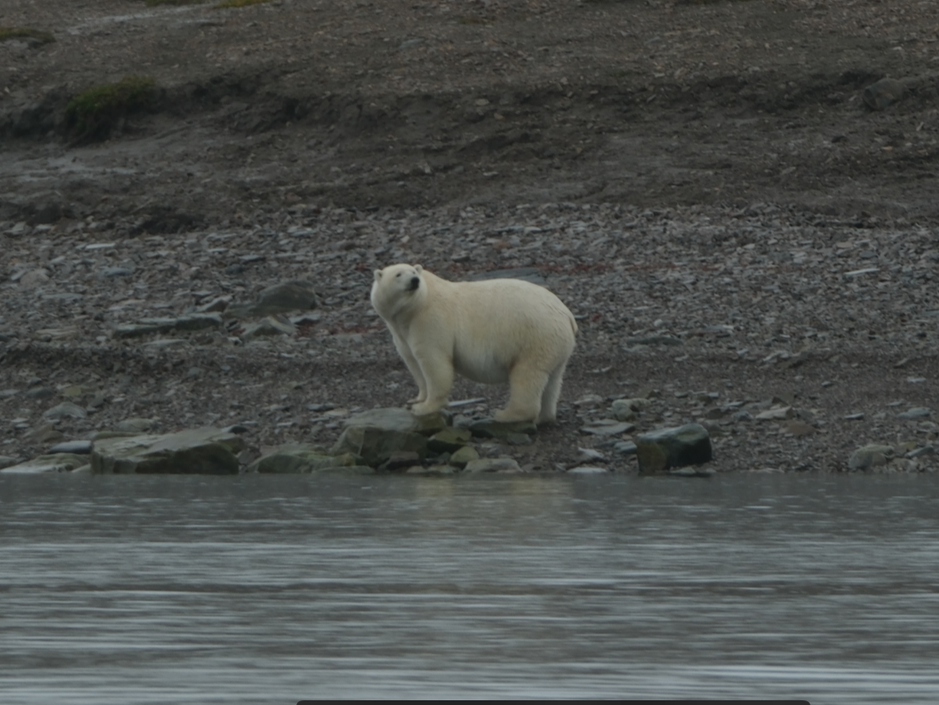
The only polar bears I have ever seen in the wild stood on the shore of beaches devoid of snow. The ice melt is forcing them onto land, and visitors need to ask why this bear is on the beach — instead of where it belongs, out on the ice.

The Arctic is warming nearly four times faster than the global average. Arctic amplification is driven by several rapid feedback loops—sea ice loss, loss of snow cover, and heat trapping. I have been fascinated by the Arctic my entire life, but I did not know these statistics until I went searching for them myself. The information is not widespread, taught in schools or spoken about on the news. The most fragile ecosystem on our planet—and arguably the most important—is changing faster than any predictions could have guessed at, and yet it seems that almost no one is talking about it. With my expedition around the Arctic Ocean, I want to showcase these changes, giving the Arctic a voice and imploring people to listen to it.
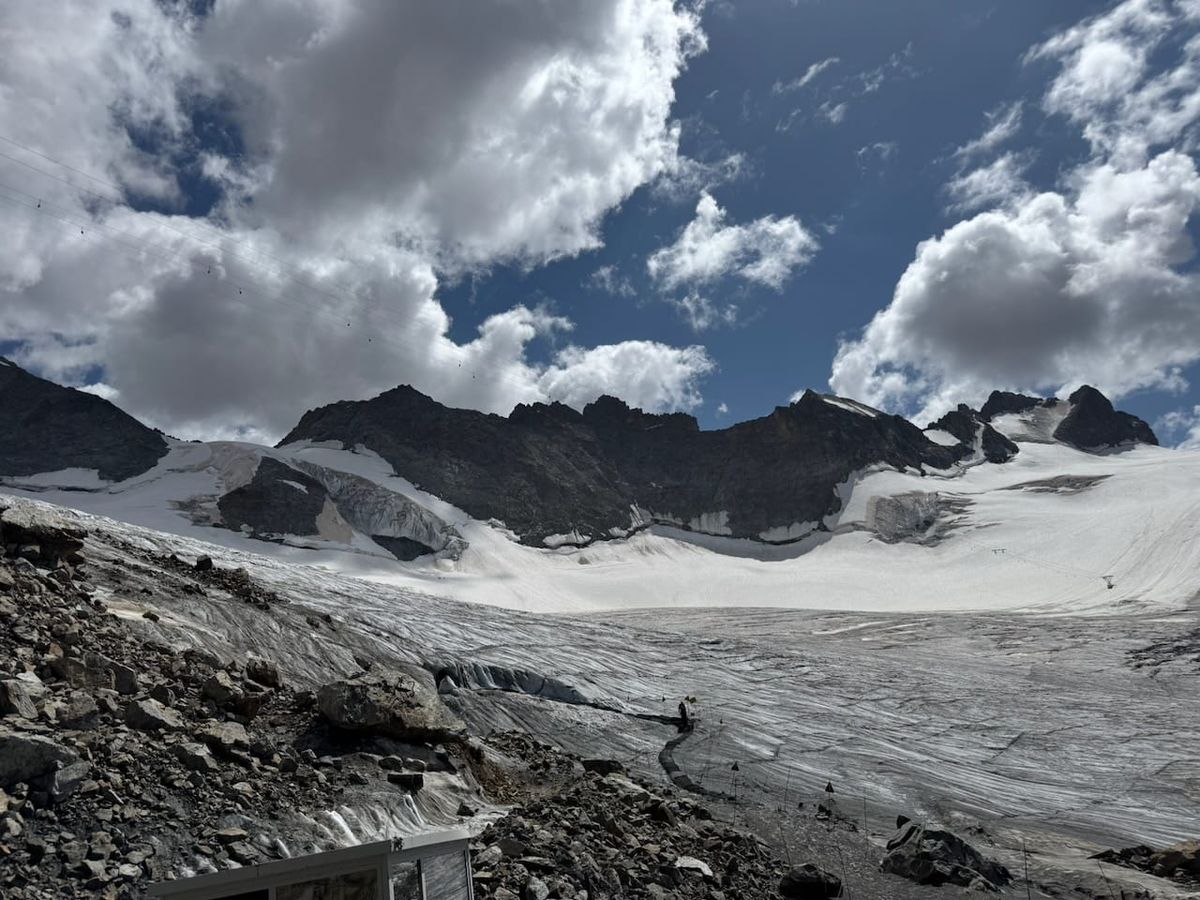
My experience of the Arctic is both beautiful and bittersweet. To see the icebergs and sea ice firsthand is an indescribable sensation of awe and inspiration, but in the back of my mind I know that I may be the last person to ever see this particular iceberg, and my heart aches at the thought of it.
The only polar bears I have ever seen in the wild stood on the shore of beaches devoid of snow. The ice melt is forcing them to spend more time on land, in the proximity of humans, and as their world changes around them, visitors to the region need to stop to ask themselves why this bear is on the beach, instead of where it belongs—out on the ice.
Climate change is destroying the sea ice these bears rely on to hunt seals. Forced onto land for longer periods, the bears are more intrigued by the smells and sounds of the settlements than ever before.
Not only is the sea ice their primary hunting ground, it's also where the bears choose to reproduce. They give birth inside insulated snow dens out in thick pack ice, protecting their cubs from the extreme conditions. They mate on the ice in the spring, then the females have a delayed implantation whilst they hunt over the summer—if they can't find enough food, and don't gain enough weight, the pregnancy terminates itself. This feat is increasingly difficult year after year.
If a female bear does successfully manage to hunt enough to support a viable pregnancy, she crawls into a den in the autumn (October/November), and gives birth sometime in the winter (January). The mother then fasts for months whilst she uses her fat stores to care for her tiny, hairless, blind cubs, until they are ready to emerge in March or April.
When I stand on my boat, a bear on the beach making direct eye contact with me, lifting its snout to the breeze to get an understanding of what I am, and what it's seeing, I wonder about its life. What has this bear seen and experienced that we could never understand? What hardships has it overcome to still be surviving in the face of such adversity? Will it see another human ever again, or will I be the last? Will I ever see another bear again, or will it be my last?
Traveling through these waters is a privilege so few people will get to experience, and even less in the solitary manner in which I choose to do it. Every single wildlife encounter I am fortunate enough to experience, I owe it to them to share their story, their plight and their existence with people who will never be able to experience this for themselves. I hope that through shared experience we can generate shared compassion, and understanding. These voiceless creatures need to be heard now more than ever—before it's too late entirely.
Related Posts
 Glenn Conroy
 Jean Peccoud