
Invitation to Alaska
Join the Ice Frontiers for parts of the 2026 Alaska expedition — not as passengers, but as contributors to the project.

In a few weeks, we will leave Opua for Alaska.
The plan — aspirational, as all honest sailing plans are — takes us to the Aleutian Islands, then east along one of the most remote and climatically disrupted coastlines on earth: Kodiak, Prince William Sound, Yakutat Bay, Icy Bay, Glacier Bay, and finally south through the Inside Passage to British Columbia, which we expect to reach in late November.
The map shows the working route and the distances involved. They are not small.
We are still debating how to reach Alaska from Opua. One route involves stopping in New Caledonia after a short passage to address any issues that may have surfaced. Then we may go to Majuro in the Mashall Islands. We would get there through Vanuatu and Kiribati. Finally a last leg would allow us to reach one of the Aleutian Islands.
- The Aleutians are where the Bering Sea food web is restructuring in real time — the snow crab collapse happened here, billions of animals simply gone in a matter of years.
- Kodiak is where the salmon runs and the bears that depend on them converge — and where the 1964 earthquake reset the coastline, leaving a story that is still unfolding today.
- Prince William Sound carries the legacy of the and the retreat of Columbia Glacier, one of the most dramatic on the continent.
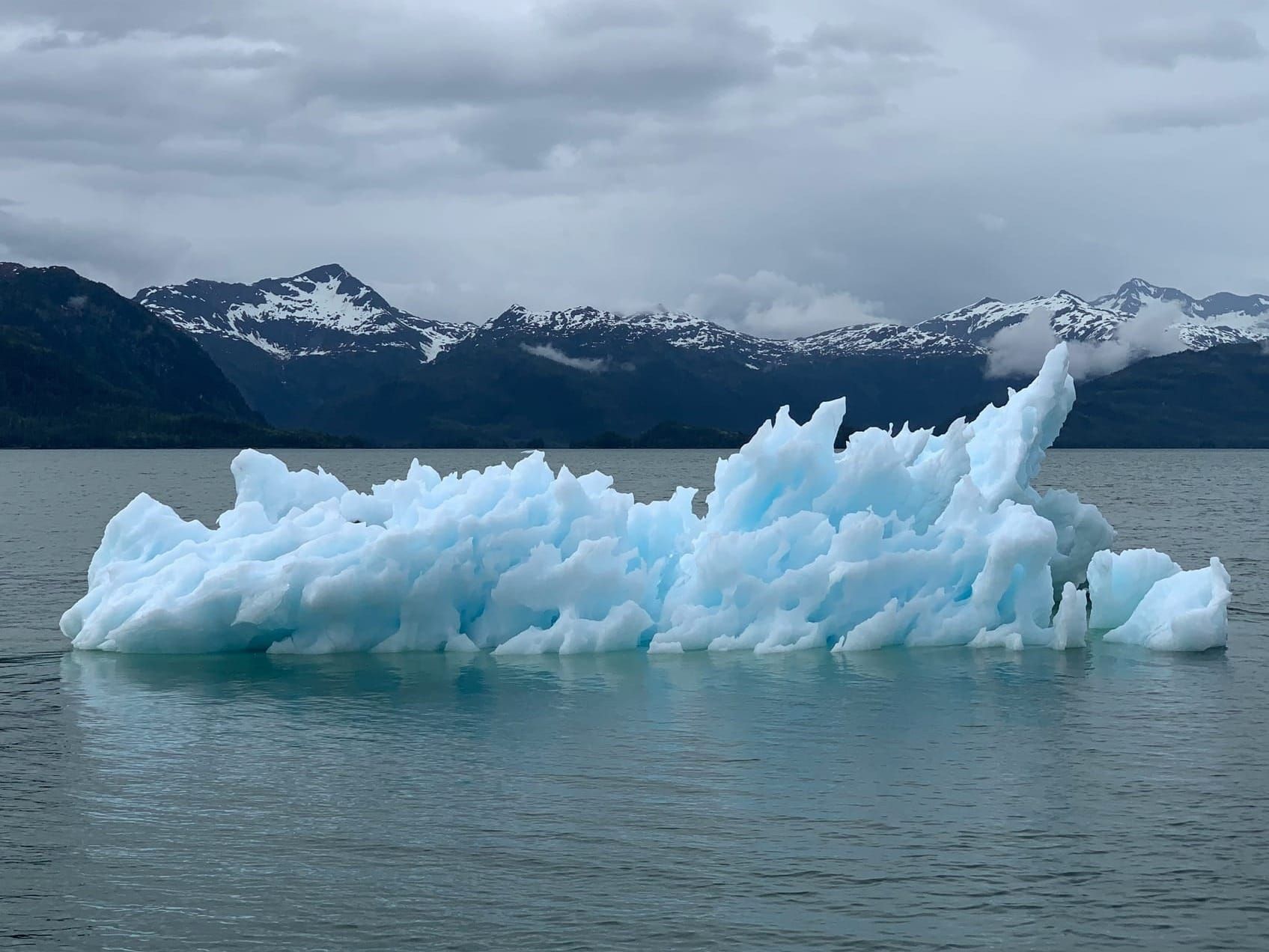
- Icy Bay did not exist a hundred years ago. It was completely filled with ice. We will sail into it.
- Yakutat holds Hubbard Glacier, one of the few advancing — a complication that resists easy narrative.
- And Glacier Bay tells a longer story — 250 years of retreat, ecological succession, and a Tlingit people returning to land their ancestors were displaced from when the glaciers advanced.
These places are not metaphors for climate change. They are where it is visibly happening, now.
At each stop, the intention is to stay long enough to experience the changes in the ice and the wildlife, and, when possible, to meet the people who live there.
Joining the expedition
Many people have casually expressed interest in this trip. I am starting to build a list of people who may be able to join us for different legs.
- This is not a charter.
- This is not a vacation.
- This is not a mile-building opportunity.
The expedition is part of the Ice Frontiers project.
We are not looking for passengers. We are building a crew — and, beyond that, a team.
We are looking for people who can actively contribute to the project — but that contribution does not follow a template.
Your contribution may take different forms. Sailing is one of them — it matters, but it is not the only one. It may also be capturing what you experience on the boat — through writing, film, interviews, or even music. The level of personal engagement matters as much as expertise.
Some of the best people for this may not think of themselves as “crew.”
The crew will remain small (2 to 5 people). Everyone participates in the operation of the boat: standing watch, cooking, cleaning, and the daily rhythm that keeps things working offshore.
If you are invited to join:
- You won’t be paid
- You won’t be charged
- You will make your way to and from the boat at your own expense
- There won't be any financial transaction between us
Some stops on the map are realistic places to join or leave the boat (marked with an airplane icon). Outside of those, logistics can quickly become difficult or prohibitively expensive, especially late in the season.
If you’re interested
Before reaching out, spend some time getting familiar with the project.
Read a few articles. Watch a video. Get a sense of what this is trying to do.
Then write to me at jean@icefrontiers.com and tell me two things:
- One or two posts that stayed with you — and why
- One or two posts that didn’t work for you — and why
The second question matters more than the first.
This is not a formality. It’s your first contribution to the project. It’s a way for both of us to understand how you might engage with it.
We’ll take it from there.