
Nine Signs an Owner Is Not Ready to Sell Their Boat
The boat of an emotionally unavailable owner is not for sale.

Location: Airbnb in La Roche-Bernard
Weather: 5°C — persistent rain, mist
We often imagine buying a boat the way we buy a car: browse listings, take a test drive, hire a mechanic, negotiate, sign.
But as I’ve learned over the past few weeks, a boat purchase is not a technical transaction. It is a psychological one.
Boats are not objects. They are biographies.
They hold memory, identity, aspiration — the person we were, the person we hoped to become.
After visiting boatyards, docks, and winter storage yards across Brittany, I began noticing the unmistakable signs that an owner is not emotionally available for a sale.
Here are nine signs that the boat you’re viewing is not, in truth, for sale. Knowing these signs can save months of emotional and financial drift.
1. The Fantasy Price
Some boats are priced as if the market does not exist.
The number reflects the owner’s emotional valuation, not the boat’s condition or reality.
A fantasy price is a shield:
If no one can afford the boat, no one can take it away.
2. “Negotiable… but not really”
They say they’re open to offers — until you make one.
Every suggestion is met with indignation, hurt, or a lecture.
A seller who wants to sell evaluates every offer seriously.
A seller who is holding on stays anchored to one number: the symbol of what the boat is be worth to them.
3. Deferred Maintenance Everywhere
Expired liferaft.
Rigging two cycles overdue.
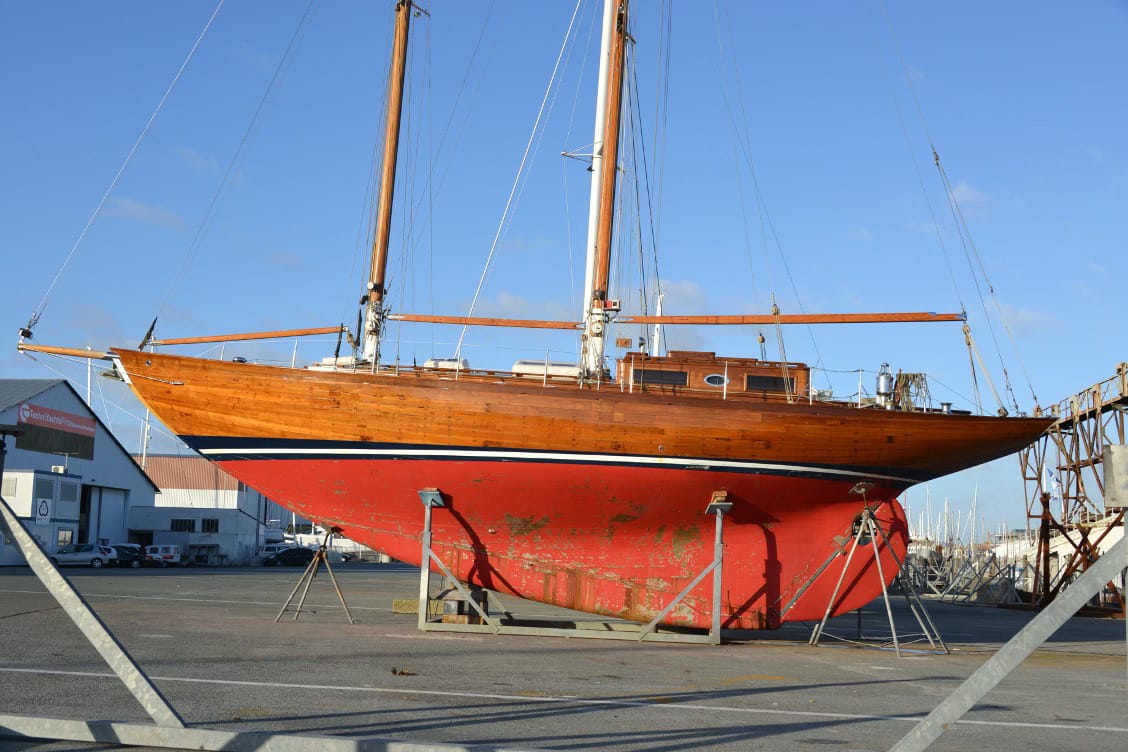
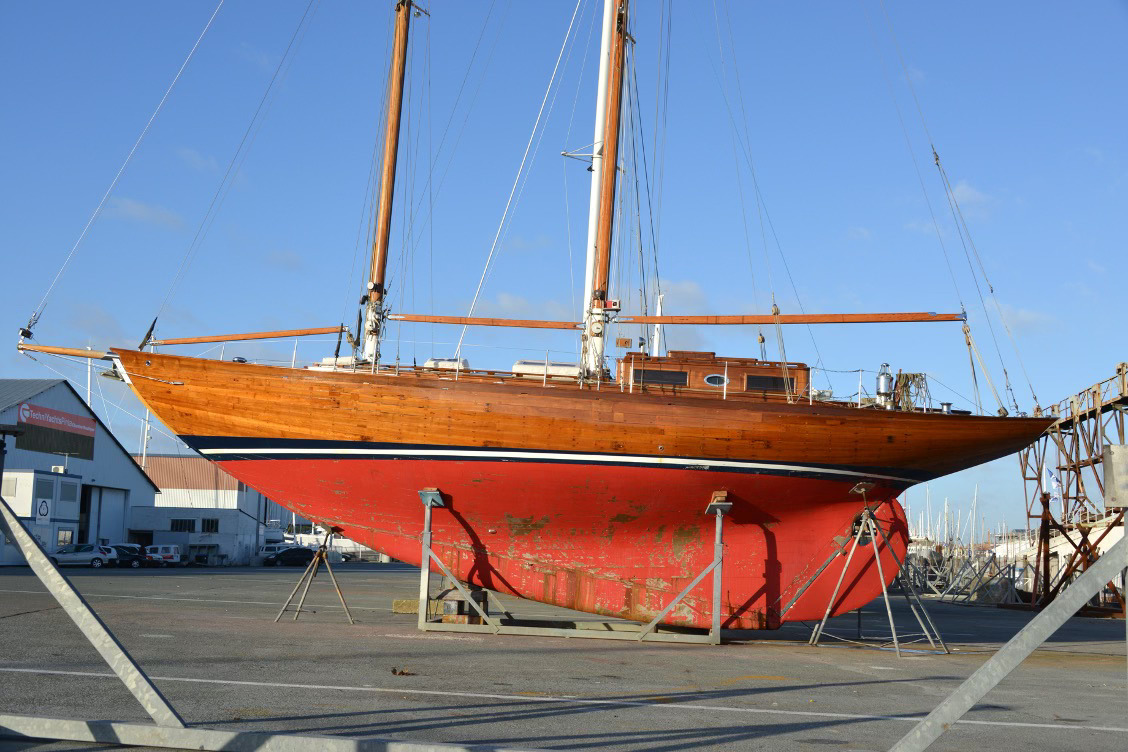
Antifouling long past its lifespan.
Broken systems.
Holes left by half-finished repairs.
Deferred maintenance is not laziness — it is ambivalence.
A seller ready to move on prepares the boat.
A seller who can’t let go leaves everything in limbo to keep their relationship with their boat alive.
4. The Boat Isn’t Vacated
This is one of the strongest tells.
The boat is still full of life: clothes, tools, books, food, toiletries, paperwork.
If you feel like you are intruding into someone’s private space, you are.
A boat that hasn’t been emptied is not looking for a new owner.
It’s a floating memory shrine.
5. The Boat Has the Wrong Story
Some boats never lived the life they were built for.
The polar expedition boat that ended up in the Caribbean.
The long-distance cruiser that never left the bay.
The meticulously prepared vessel whose owner never found the courage, time, or health to go.
Then there are the boats that did live a story — and that story never ended for their owner. “If it doesn’t sell, I might do the Northwest Passage next year.”
When the dream isn’t over, the sale can’t begin.
6. The Boat Is in the Wrong Place
A boat on the hard the same week it’s listed.
A boat trapped behind a lock closed until April.
A boat abandoned on the wrong continent.
A high-latitude vessel for sale in the tropics.
A boat positioned for sale is one that can be seen, tested, surveyed, and moved.
A boat stranded by logistics is a boat whose owner is not ready to face the next step.
7. Emotional Ambivalence
You hear it in the tone.
Too many stories.
Too many memories.
Too much attention to how you might treat the boat.
The seller interviews you to determine if you are worthy.
Your questions are interpreted as criticism.
Your doubts become evidence that you “don’t get the boat.”
They want:
A successor, not a buyer.
A guardian, not an owner.
A continuation, not a transition.
The boat they still identify with isn’t for sale because they are not for sale.
8. No Understanding of the Process
No grasp of deposits.
No clarity about surveys.
No timeline.
No organization.
No documents.
Private sellers often decide to sell directly not to save money —
but to avoid confronting the reality of the sale.
A survey, a deposit, a sea trial, a compromise…
all require commitment.
Avoidance of the process is avoiding the sale itself.
9. No Timeline — No Urgency
Every reply requires a follow-up.
Half your questions go unanswered.
Sea trials are “maybe next spring.”
Paperwork will be gathered “sometime.”
Sellers who are genuinely ready impose structure and pace.
Sellers who drift will ensure you drift with them.
A boat listed without urgency will lose appeal every day it does not sell.
Conclusion
A boat is never just a boat.
Each vessel carries two histories: its logbook, and the life of the person who kept it.
Selling a boat is ending a story so another can begin.
Not everyone is ready for that ending.
I once believed boat-buying was about technical specifications — insulation, engine hours, heating systems, rigging, electronics.
Now I realize qualifying the seller is as important as qualifying the boat.
- Some owners are ready. They sell their boats without having to list them.
- Some owner will never be ready. Their boats will quietly decay at the dock.
- And some owners simply need time to come to terms with this life transition.
As for me, I keep searching. Assessing a boat is easy. Assessing whether it is really for sale is harder — that requires reading people, not specifications. What began as a boat hunt has become, unexpectedly, an exploration of human psychology, including my own.