
Goal of the 2026 season
Earning the right to approach the Frontier.

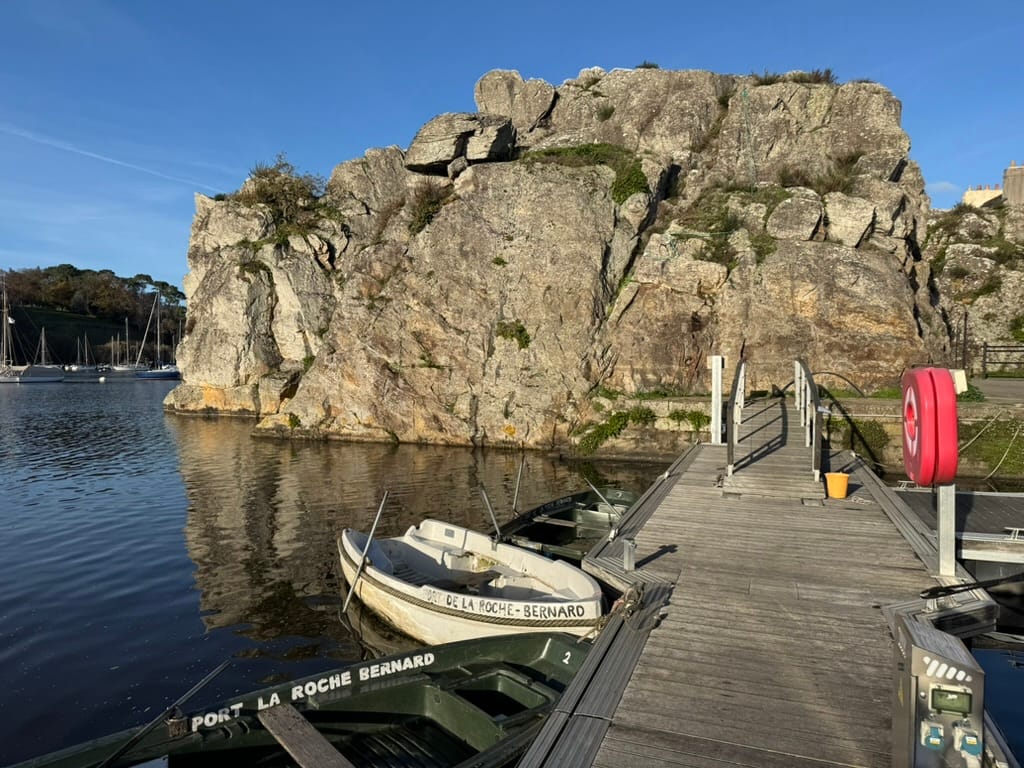
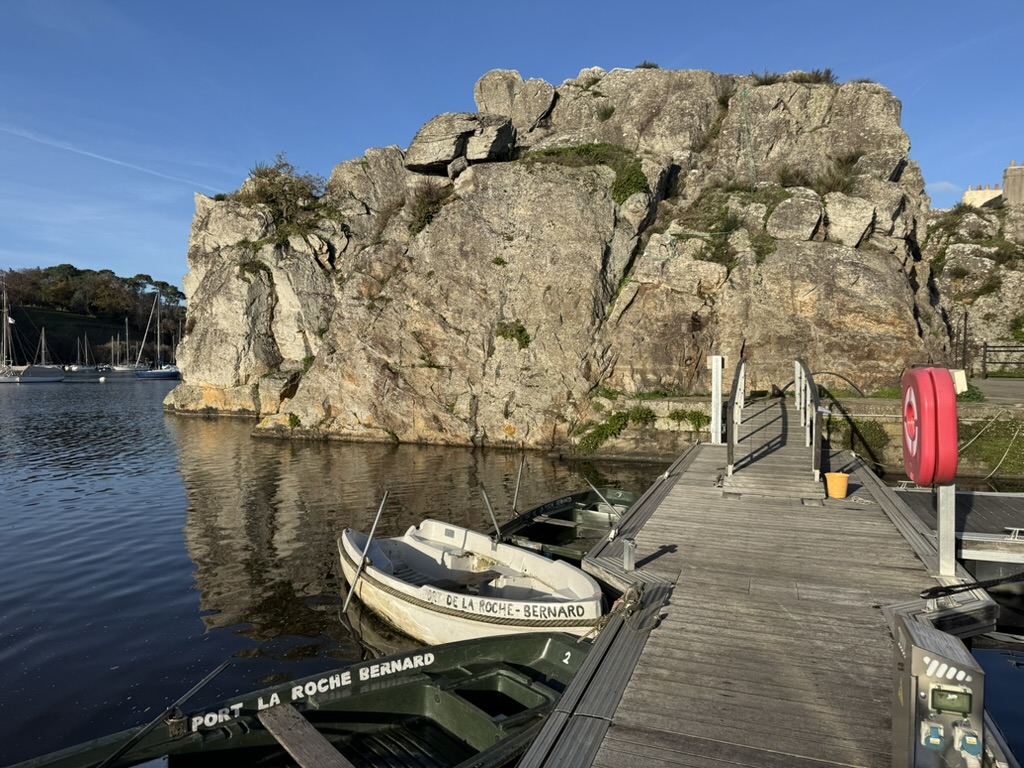
Location: La Roche Bernard, Morbihan
Conditions: Slow job at sunset, mild temperature, wind calm
After spending several months searching for the right boat, I now have a short list of serious candidates (more on that in an upcoming letter). Reaching this point broadens my perspective. When I was unsure I could find the boat I was looking for, it was difficult to imagine going anywhere other than a boatyard or a marina. Now that I have spent enough time on a few boats to imagine living in them for extended periods, a new question becomes possible: where shall we go?
I had ambitious dreams of exploring remote regions in 2026, but they soon felt more aspirational than realistic. So I revised my plan to focus on building experience and capabilities rather than exploring.
At these latitudes, everything comes down to windows — weather windows, time windows, psychological windows. We move when the window opens, and we wait when it closes. The rapid changes in weather shape the movement of our bodies and our spirits. The journey requires aligning our own changes with the shifting patterns above us, avoiding the kind of storm that could wreak havoc on the boat and its crew.
Testing
We will spend the spring sailing in Brittany and along the south coasts of England and Ireland to understand the boat in all the ways that matter: how she behaves at night, how she handles confused seas, what creaks and groans under load, what needs reinforcing, what needs replacing.
These shakedown trips are also the moment to meet the people who have expressed interest in joining the Summer 2026 expedition to Greenland. A week on a boat together reveals more truth than any interview. You learn who listens, who adapts, who grows quiet under pressure, who notices things before they break. By the end of May, we should know not just the boat, but also the people who may share the northern miles ahead.
Once we’ve built this foundation, it will be time to turn the bow north.
Going North
We plan to leave in early June and work our way toward Scotland, the Faroe Islands, and Iceland before crossing to the southern tip of Greenland. The logic of this route is simple: never sail longer than the weather forecast can be trusted.At these latitudes, that means keeping each leg under four days.
In theory, the entire passage adds up to about twenty days at sea. In practice, those twenty days stretch across six or eight weeks as we wait for the right windows — the pauses between low-pressure systems when the sea relaxes just enough to let us through. During these windows we will often be heading into the wind, sailing at conservative angles to protect the boat and ourselves. The straight line between two ports is a luxury of warm latitudes.
This part of the journey is not about speed. It is about patience and timing — learning to move with the rhythm of the North Atlantic rather than resisting it.
South Greenland
If all goes as planned, we will spend only a short time in southern Greenland. Long enough to catch our breath, repair what needs repairing, and gather impressions of a place that sits at the crossroads of climate, culture, and history.
We will see icebergs, but not the ice pack. We will feel the northern light, but not its winter violence. South Greenland is a hinge between North and South, East and West — a gateway to the coasts and corridors we hope to explore more deeply in future seasons.
But this first year is not about exploration. It is reconnaissance. We will likely arrive late in the season, and the weather in September is not something to test lightly. The North grants permission for only so long. When the window closes, you leave.
Returning Home
We will head back the way we came, timing our departure before the cold sharpens and the low-pressure systems accelerate. The return should be smoother. Prevailing winds will likely push us rather than resist us, and by then we will know the boat and each other far better than on the way out.
Assuming we leave Greenland in good time, we should still find reasonable windows across Iceland, the Faroes, and Scotland — stepping stones guiding us back toward Brittany.
Our Goal
This first season is not about where we go, but what we become.
It is not about exploring Greenland, but about preparing ourselves to reach it — and return safely. The right to explore the North is earned, not given. It depends on trust: trust in ourselves, trust in our partners, trust in the equipment. Trust is built through experience, resilience, teamwork, and process.
This year is about learning, calibration, and setting expectations. It is the year where we test the boat, test ourselves, and gather the insights needed to chart the 2027 season.
This first season is where we earn the right to approach the Frontier.